Ryelands Park
Ryelands Park is the easiest reference point for the surrounding residential streets. If you tell us you are near the park, we can locate the correct access point and parking within a minute or two of arriving.

Spray foam removal in Ryelands is a specialist job, and it is one we have handled across LA1 5 and LA1 1 since 2022. Ryelands is an affluent area with larger properties, and a lot of those roofs were foamed in the 2000s and 2010s when installers were pushing spray foam as a cheap fix. Now the surveys are coming back with questions, and homeowners on Ryelands Lane and Ashton Road need the foam out cleanly, without wrecking the timbers underneath. We use spray foam cutting tools, an industrial vacuum and dry ice blasting machine where the substrate is fragile, then a moisture meter to confirm the deck is drying out. If you need spray foam insulation removal Ryelands Lancashire wide, we cover the whole city from our Lancaster base. We are not the cheapest quote you will get, but we are the one that gets signed off by lenders.
Every job in Ryelands starts with an assessment, because open cell and closed cell foam come out differently. If you are searching for Spray foam removal in Ryelands near me, we cover the full range: loft, roof, attic, cavity wall and warehouse foam, plus mortgage lender work where a surveyor needs the roof cleared. Most Ryelands jobs are booked within 48 hours, and emergency call-outs run 24/7.

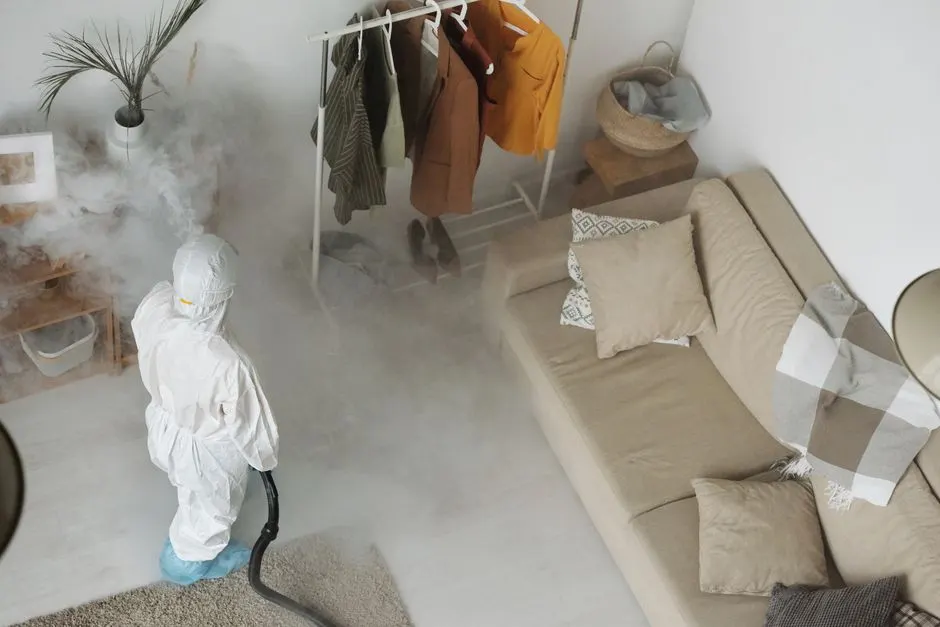




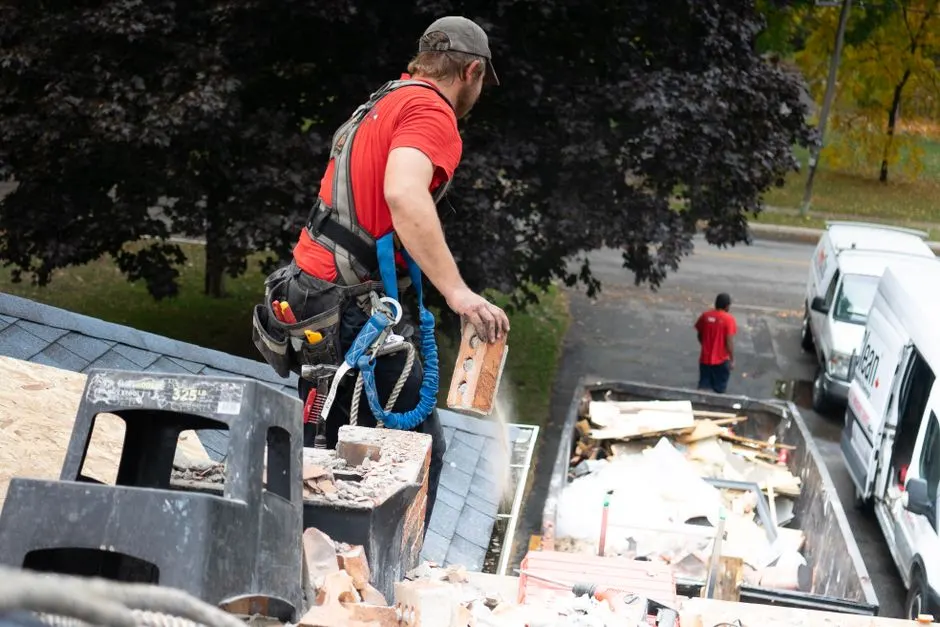
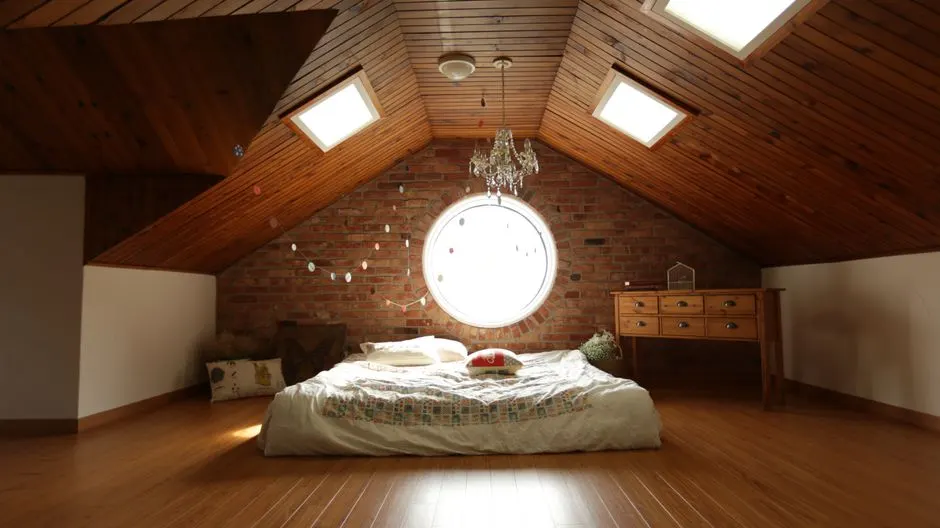
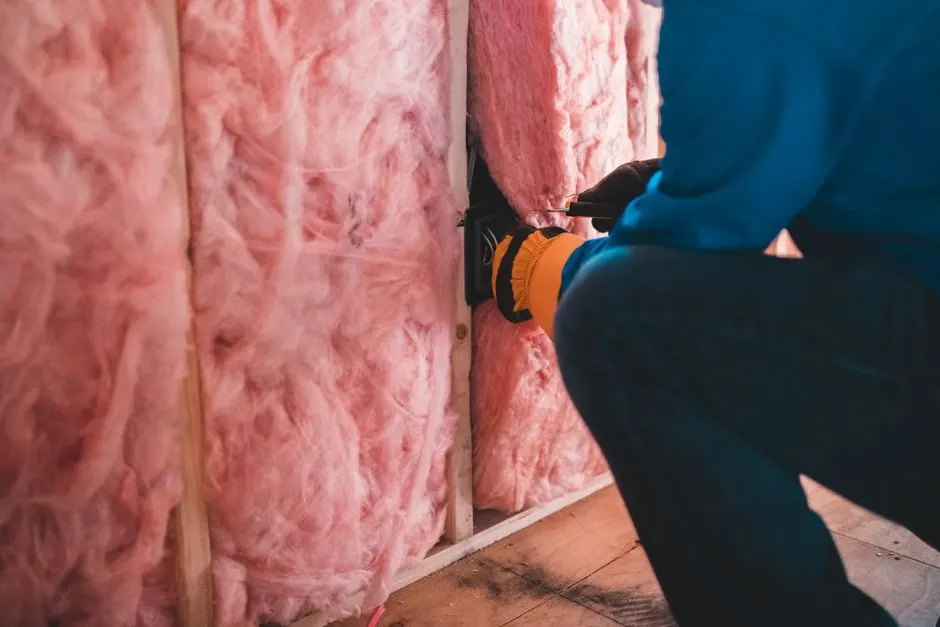



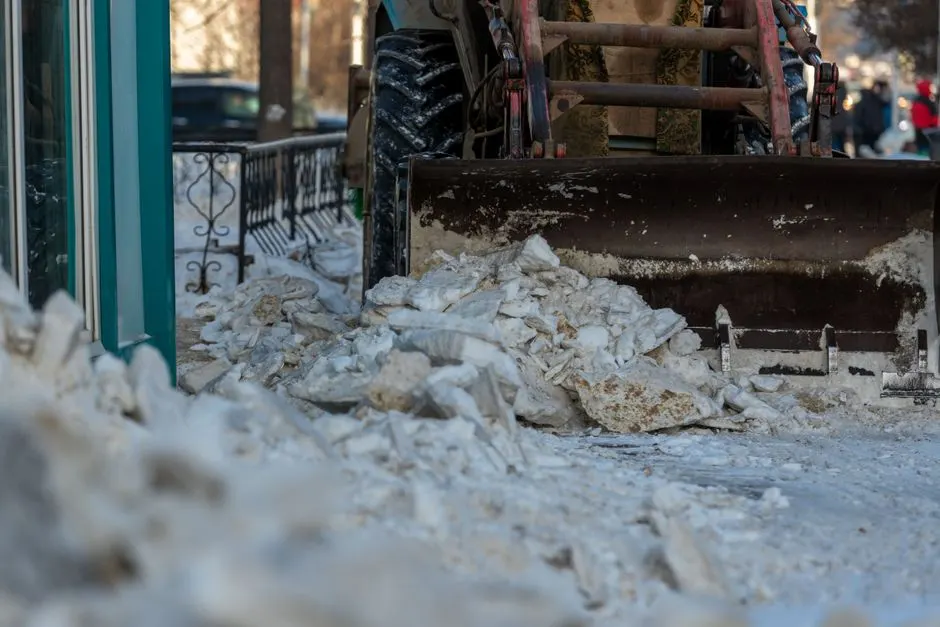


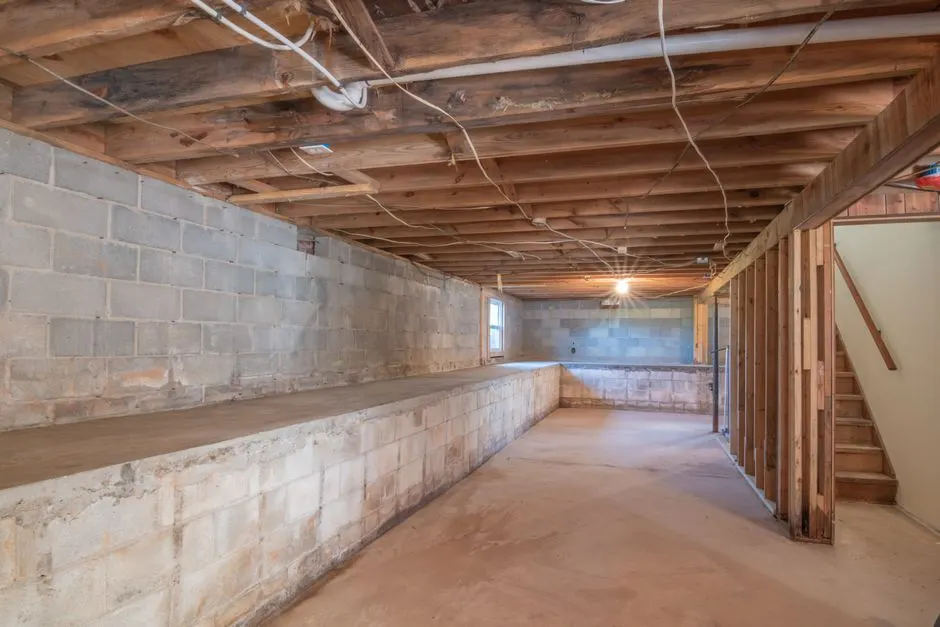
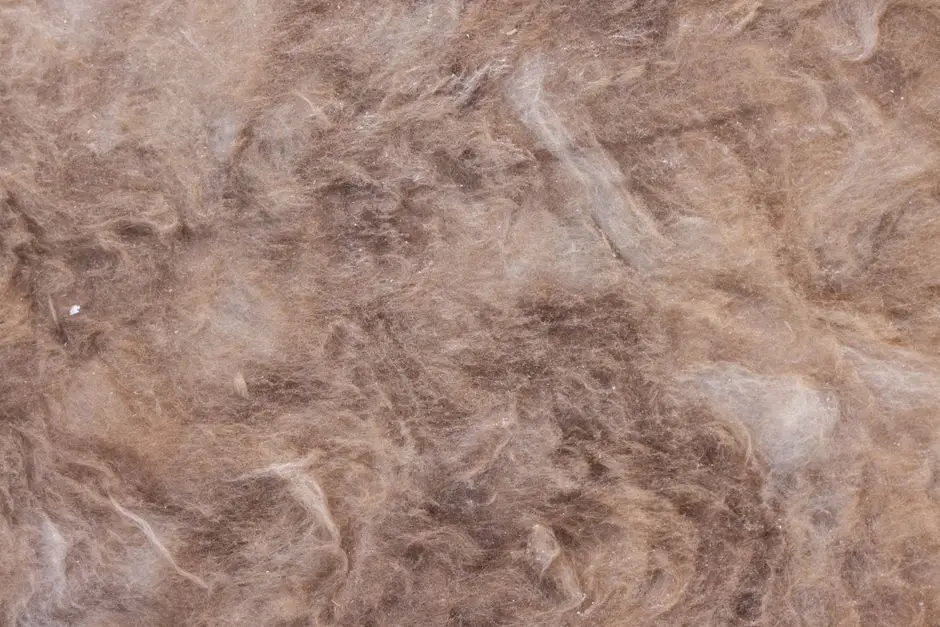


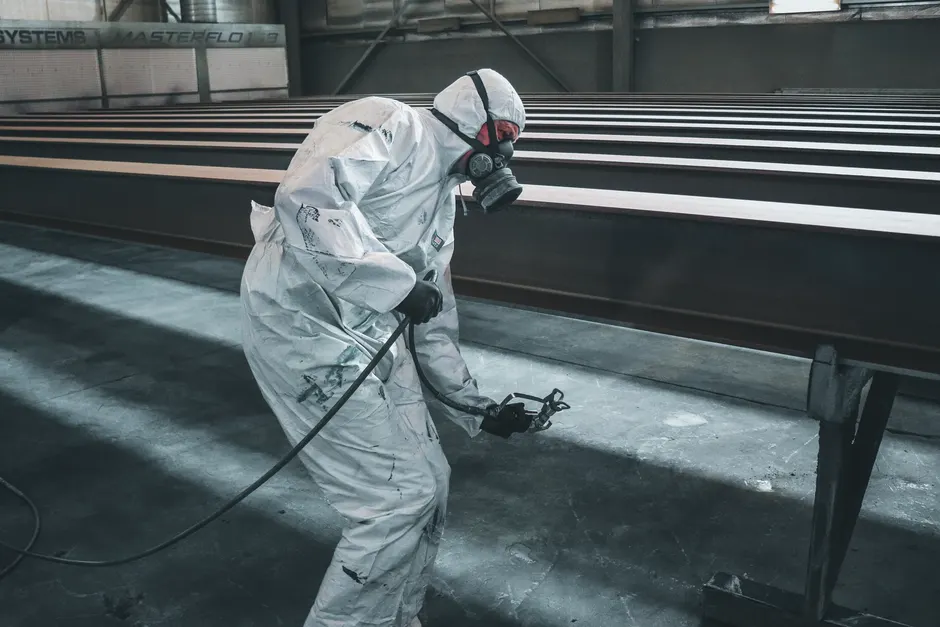
Ryelands has a high incidence of spray foam in older roofs, and the local climate makes the consequences worse. Lancashire's damp winters, the age of the housing stock around Ryelands Park and the number of period properties with original felt all combine to trap moisture. These are the four problems we are called out to most often, and the best Spray foam removal Ryelands has to offer should be able to explain each one before quoting.
Lenders treat spray foam on roof timbers as a hidden-defect risk. Surveyors cannot inspect the rafters properly once foam is applied, and there is a widespread view that it traps moisture. In Ryelands, where property values are higher, lenders are often stricter about it.
Foam sprayed onto the underside of a roof blocks the ventilation path at the eaves. Warm moist air from the house rises into the loft, hits the cold roof surface and condenses. Older Ryelands roofs with original felt are especially prone because the felt is already less breathable.
Once moisture is trapped against timber, rot sets in. It often goes unnoticed because the foam hides the rafters. In Ryelands' period properties, original rafters and battens are more vulnerable than modern treated timber, and rot can spread along a wall plate within a few seasons.
Foam that has been wet loses its insulating value and can actually make the roof colder by holding moisture against the structure. Homeowners in Ryelands often notice higher heating bills or a cold loft long before they see a damp patch, because the foam is still in place and looks intact.
Most Ryelands homeowners do not realise there is a problem until a surveyor, a lender or a damp patch tells them. If you are searching for Spray foam removal in Ryelands near me, these are the triggers we see most often. Any one of them is worth a phone call, and two or more usually means the foam needs to come out sooner rather than later.
Mortgage lender flags the spray foam
This is the most common trigger in Ryelands. Lenders and surveyors treat spray foam on the underside of a roof as a risk because it can trap moisture and hide timber defects. Until it is removed and the roof is photographed, the mortgage usually will not complete.
Damp patches on upstairs ceilings
Foam sprayed directly onto felt or sarking stops the roof breathing. Moisture then condenses on the timbers and works its way down to the ceiling below. In Ryelands' older properties this often shows as a brown stain near a chimney breast or a rear wall.
Musty smell in the loft or landing
A persistent damp, earthy smell coming from the loft hatch usually means trapped moisture and early timber rot. It gets worse in Lancashire's wet winters. If you notice it, get the loft checked before the rot spreads into structural timbers.
Foam is crumbly or coming away
Open cell foam that has been wet for a while starts to break down and crumble. Once it loses its structure it stops insulating and starts holding water against the timber. Crumbling foam is a sign the removal is overdue, not something to patch over.
Condensation on roof timbers or felt
If you can see beads of water on the underside of the felt or on the rafters, the roof is not ventilating. Foam is usually the cause because it blocks the gap at the eaves. Left alone, wet timbers rot and the roof structure weakens.
Ryelands is compact, but the one-way sections and residential parking mean we plan routes carefully. Ryelands Park is our main orientation point for the streets to the north, and Lancaster Canal gives us a clear line along the western edge towards Aldcliffe Road. For jobs near Ashton Road we approach from the memorial side to avoid the busier junctions. If you are giving directions, mention the nearest landmark and we will find you.
Ryelands Park is the easiest reference point for the surrounding residential streets. If you tell us you are near the park, we can locate the correct access point and parking within a minute or two of arriving.
The canal runs along the western edge of the area and helps us orient jobs on Aldcliffe Road and the streets that back onto the towpath. It is a useful marker when a postcode covers more than one side of the water.
The memorial is a visible landmark on the skyline above the Ashton Road area. It helps us confirm which side of the hill a property sits on, which matters when two streets share a similar name.
The cricket ground gives us a clear fix on the southern approach into Ryelands. Jobs near the ground are usually straightforward to reach, with parking available on the surrounding residential streets outside match days.
ZIP coverage on request — call to confirm.
Ryelands sits in a wet, windy part of Lancashire, and the weather shapes when foam problems show up. Autumn and winter are when damp and condensation become obvious, while spring and summer are the best time to get removal done before the next heating season. If you are planning Spray foam removal in Ryelands near me, here is what to expect through the year.
Spring is when damp patches from the winter start to dry out and become easier to see. Lofts that were wet all winter often show staining on rafters and a musty smell that fades as the weather warms. It is a good time to book an assessment.
Tip: Book a loft assessment in spring so any removal can be done before summer, when the roof space is dry and easier to work in.
Summer is the best window for removal work. Lofts are dry, timbers are at their lowest moisture content, and we can leave the roof open to air without rain getting in. It is also the busiest period, so book early if you have a deadline.
Tip: If your lender needs the foam out, start the process in summer. Drying times are shorter and the roof is easier to photograph in good light.
Autumn rain and the first cold snaps expose ventilation problems fast. Foam that has been holding moisture all year starts to show as condensation on felt and rafters. Calls about damp patches and musty lofts rise sharply from October onwards.
Tip: Get the loft checked in early autumn before the worst of the rain. If foam is already wet, removal now prevents rot spreading over winter.
Winter is when the damage becomes visible inside the house. Condensation, damp ceilings and, in bad cases, water tracking down through the foam. Emergency call-outs for leaks and collapsed foam are common between November and February.
Tip: If you spot a new damp patch in winter, call us rather than waiting for spring. We can make the roof safe and stop the moisture spreading while conditions are poor.
Ryelands sits within Lancaster, and we cover the whole city plus the surrounding villages. If you are just outside the list below, call us anyway. Most jobs within a fifteen-minute drive of Ryelands can be booked into the same week, and emergency work runs 24/7 across the area.
(City)
About a mile and a half from Ryelands. We regularly move between city centre jobs and Ryelands on the same day, so booking one area rarely delays the other.
View Lancaster City Centre(City)
A short drive south of Ryelands. Bulk jobs are often combined with Ryelands bookings because the routes overlap, keeping travel time and cost down.
View Bulk(City)
Just east of Ryelands. Marsh has similar older housing stock, so the removal methods and access planning are much the same as here.
View Marsh(City)
Roughly a mile away. Greaves jobs are usually scheduled alongside Ryelands work, which means we can often offer a same-week slot.
View Greaves(City)
South of the city, around ten minutes from Ryelands. Scotforth has larger detached homes similar to those near Ryelands Park, so the same equipment and approach apply.
View Scotforth(City)
Close to the city centre and a short hop from Ryelands. Freehold terraces often have smaller lofts, which we can usually clear in a single visit.
View FreeholdReal answers from our team for the questions we hear most often before a job starts.
If a lender has flagged the foam, or you have spotted damp in the loft, call us on 03335672543. We cover Ryelands Road, Ryelands Lane, Aldcliffe Road and the streets around Ryelands Park, and we can usually assess within 48 hours. You get a fixed price, a tidy job and photos of the timbers for your file. Four years trading, fully insured, and we show up when we say we will.
Call 03335672543 or email [email protected] and we will book a survey, usually within 24 hours. We work Monday to Friday, 8am to 6pm, with a 24/7 emergency line for water ingress and storm damage. You speak to the person who will be on your roof.
Phone
03335672543Address
78 Church St, Lancaster LA1 1ET, UK, Lancaster, Lancashire
Hours
Mon–Fri: 7AM – 7PM
Sat: 8AM – 4PM
Sun: Emergency Only
24/7 Emergency Available