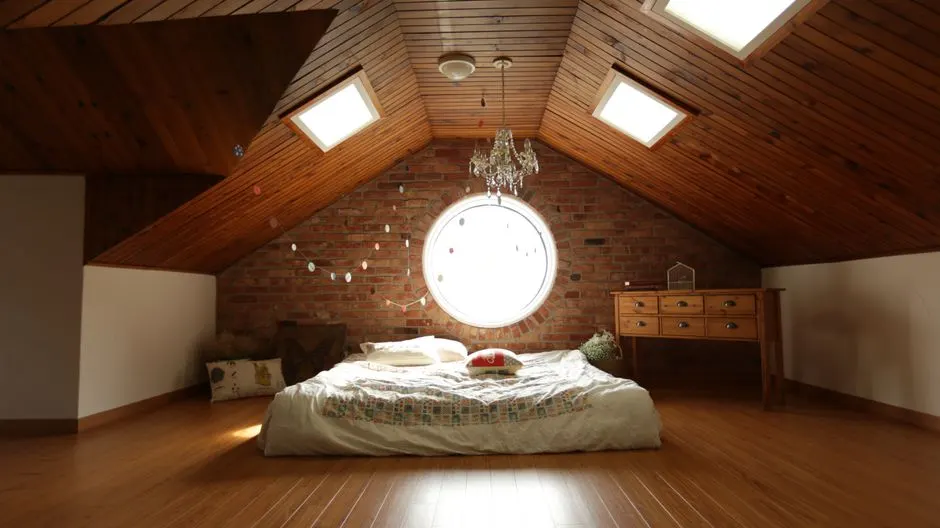
Free loft survey
A technician visits, inspects the foam, tests timber moisture with a moisture meter and measures the area. You get a fixed written price the same day, with no obligation to book.
Every job is different, but a standard Lancaster attic spray foam removal includes the survey, the removal, the clean-up and the paperwork. Here is what you get as standard, and what we can add on if you need it.
A technician visits, inspects the foam, tests timber moisture with a moisture meter and measures the area. You get a fixed written price the same day, with no obligation to book.
We remove open cell and closed cell spray foam from rafters, roof decks and joists using mechanical cutting, thermal removal tools or dry ice blasting. Every section is checked as we go.
An industrial vacuum clears all dust, foam fragments and debris from the loft and the access route. Protective sheeting protects your floors and stairs while we work.
We inspect the vapour barrier and roof ventilation path, and tell you if either needs work. This is the step that stops the damp coming back after the foam is gone.
You receive before-and-after photos plus a written summary of what was removed. This is the documentation mortgage lenders and surveyors ask for after spray foam removal.
Attic spray foam removal in Lancaster means mechanically cutting, scraping and vacuuming out sprayed polyurethane foam that was applied directly to the underside of your roof deck or between rafters. We do not just hack it off. We identify whether it is open cell spray foam or closed cell spray foam, check the timbers with a moisture meter, then remove it in controlled sections so the roof structure is never left unsupported. Every run finishes with an industrial vacuum pass and a full inspection of the vapour barrier and ventilation path.
Most Lancaster homeowners call us after a surveyor flags spray foam on a mortgage valuation, or after a winter of damp and condensation in the loft. Foam sprayed between rafters blocks the airflow that a traditional Lancashire slate or tile roof needs, so condensation sits on the timber and rot starts. We also get called for attic insulation removal Lancaster wide when homeowners want to switch back to mineral wool or insulation boards. If you have been searching attic spray foam removal in Lancaster near me, we cover the whole district.
Five clear steps, from first phone call to final clean-up. You know what is happening and when, and we do not leave until the loft is clear.
Schedule
Call or book online — a real human picks up and confirms a 2-hour arrival window.
Diagnose
Licensed tech inspects on-site, then walks you through the cause and your options.
Fix
The job is completed to code and done right the first time — no shortcuts, no surprises.
Guarantee
Every job backed by a written workmanship warranty — and we stand behind it.
Dry ice blasting machine
Freezes and lifts stubborn foam residue from timber without water or chemicals. Ideal for the final clean pass on delicate rafters.
Industrial vacuum
Pulls foam fragments, dust and debris out of the loft fast, keeping your home clean and the working area safe.
Spray foam cutting tools
Specialist blades and saws that cut dense closed cell foam away from rafters without gouging the timber underneath.
Moisture meter
Tests timber moisture before and after removal, so we can prove the roof structure is drying out properly.
Thermal removal tools
Controlled heat softens the bond between foam and timber, making older brittle foam easier to lift cleanly.
Safety PPE
Respirators, coveralls, gloves and eye protection for every technician. Foam dust is not something to breathe in.
Mechanical cutting and vacuum removal
Our standard method for most Lancaster lofts. We cut the foam into manageable sections with spray foam cutting tools, then vacuum the material out through a sealed route. Fast, clean and suitable for both open cell and closed cell foam.
Dry ice blasting
Dry ice pellets freeze the foam residue so it lifts off the timber without abrasion. We use this on delicate or historic roof structures, and as a final clean pass after mechanical removal to get the surface back to bare wood.
Thermal removal
Controlled heat softens the adhesive bond in older foam that has gone brittle. It reduces the risk of tearing timber fibres and is a good option where the foam is bonded tight to rafters or battens.
Sand blasting
For foam bonded to brick or stone surfaces, abrasive sand strips the residue back to a clean substrate. We contain the dust fully and dispose of the waste responsibly.
01
What we do: We survey free, remove the foam in one to two days and provide the photo record and written summary your lender needs. We work to your deadline and keep you updated throughout.
→ You get a clean, breathable loft and the paperwork to satisfy the valuation, so your purchase or remortgage can complete.
02
What we do: We test the timber with a moisture meter, remove the foam that is trapping damp and check the ventilation path. Any affected timber is flagged for treatment before we finish.
→ The roof structure dries out, the smell goes and you avoid a much larger timber repair bill further down the line.
03
What we do: We remove the existing open cell or closed cell foam completely, vacuum the loft clean and advise on the right replacement for your rafter depth and roof type.
→ You get a loft that is ready for new insulation, with proper airflow and a vapour barrier that works as it should.
04
What we do: We survey each property, quote individually and schedule the work in phases so tenants are disrupted as little as possible. Out-of-hours working is available.
→ Every loft is cleared, documented and ready for re-insulation, with a clear record for each property file.
Lancaster's building stock shapes how we work. The city has a lot of Victorian and Edwardian terraces in Marsh, Greaves and Freehold, plus 1930s semis in Scotforth and Scale Hall and newer builds around the Lancaster University Area. Older roofs often have shallow rafters and limited ventilation, so foam sprayed between them traps moisture fast. Our wet Lancashire climate makes that worse: rain comes in off Morecambe Bay for weeks at a time, and any loft that cannot breathe will show damp by the second winter. We also see a lot of foam in properties around Bare and Torrisholme where homeowners had it installed to combat draughts, only to find it caused condensation instead. If you need attic spray foam removal in Lancaster, Lancashire, we survey free, work cleanly and provide the documentation lenders want. For anyone searching attic insulation removal Lancaster cost, we give a fixed written price the same day as the survey, so there are no surprises.
Marsh
Dense Victorian terraces with shallow rafters and limited eaves ventilation. Foam here traps moisture quickly, so removal often includes reopening the eaves gap.
Scotforth
1930s semis with deeper lofts and more headroom. Foam removal is usually straightforward, and the space is often re-insulated with mineral wool afterwards.
Bare
A mix of older detached homes and newer builds. We see a lot of closed cell foam here that has started to smell musty after years of trapped condensation.
Heysham
Coastal properties exposed to salt-laden air and driving rain. Ventilation matters even more here, so we check the vapour barrier carefully on every job.
Wet coastal climate off Morecambe Bay
High rainfall and humidity mean any loft without proper airflow will show damp within one or two winters. We always check the ventilation path before we leave.
Older slate and tile roofs
Traditional Lancashire roofs rely on airflow through the eaves and ridge. Foam blocks that path, so removal has to reopen it, not just strip the foam.
Shallow Victorian rafters
Limited rafter depth means foam sits tight against the timber. We use cutting tools and dry ice blasting to lift it without gouging the wood.
Mortgage lender scrutiny in the area
Lenders active in Lancaster routinely flag spray foam on valuations. Our photo record and written summary are designed to satisfy that scrutiny.
Foam that was meant to keep heat in often does the opposite in Lancaster's wet climate. Here are the problems we see most often, and how we fix them.
Problem
Your purchase or remortgage stalls, and the seller may not be able to complete until the foam is gone and the roof is breathable again.
Our Fix
We remove the foam, restore ventilation and provide before-and-after photos plus a written summary. Lenders and surveyors accept our documentation, so you can get back to completion.
Problem
Trapped moisture soaks into rafters and battens, causing mould, musty smells and eventually structural timber rot that is expensive to repair.
Our Fix
We cut out the foam, dry the timbers and reopen the ventilation path. A moisture meter check before and after shows exactly how much drier the roof structure is.
Problem
Without airflow, a Lancashire slate or tile roof cannot breathe. Condensation builds up every winter and the problem gets worse year on year.
Our Fix
Our removal reopens the eaves and ridge ventilation. We check the vapour barrier too, so the roof can dry naturally instead of trapping moisture against the timber.
Problem
Foam that has failed or trapped damp stops insulating properly, so you pay more to heat a loft that feels colder than it should.
Our Fix
Once the old foam is out, we advise on the right replacement for your rafter depth, whether that is mineral wool, insulation boards or a Kingspan or Recticel system.
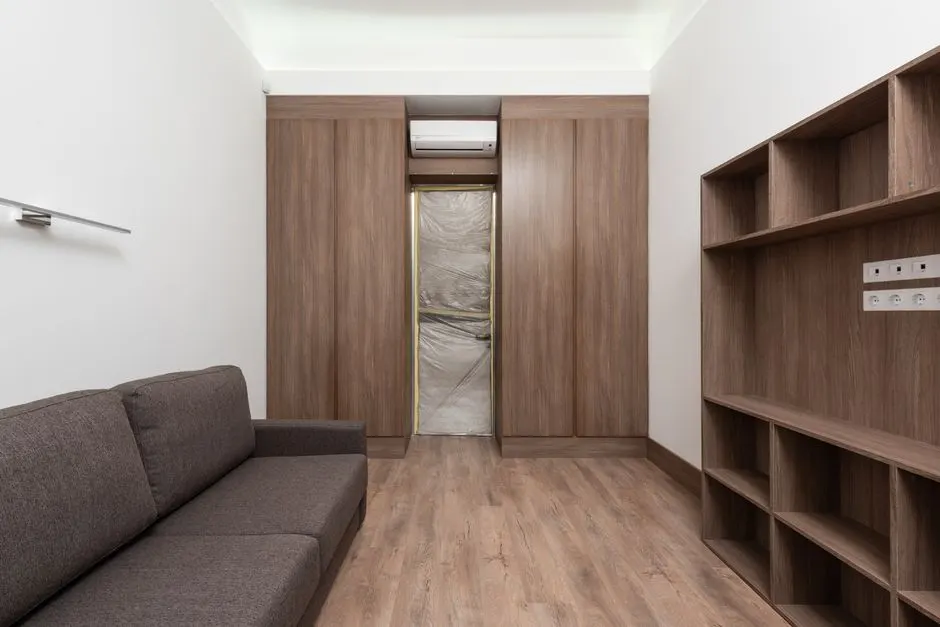
Removing spray foam is not a DIY job. It is dusty, awkward and easy to damage a roof if you rush it. Here is what you actually get when you book our team.
Mortgage and survey friendly
Mortgage refusal due to spray foam is the single biggest reason we get called out in Lancaster. Lenders want the foam gone and the roof breathable before they release funds. We remove it, document the work with photos and leave a clean loft that satisfies a follow-up valuation survey.
Timber rot stopped early
Foam traps moisture against rafters and battens. Left alone, structural timber rot spreads and you are looking at a far bigger repair bill. We cut out the foam, treat any affected timber and restore airflow so the roof structure can dry out naturally over the following weeks.
Cleaner, breathable loft space
Our industrial vacuum and protective sheeting keep dust out of your house. Once the foam is out, we clear every offcut and residue so you get a loft you can actually use for storage again, with a vapour barrier and ventilation path that work as they should.
Energy bills back under control
Badly applied foam often makes a loft colder, not warmer, because it blocks ventilation and causes damp insulation. After removal we advise on the right replacement, whether that is mineral wool, insulation boards or a Kingspan or Recticel solution suited to your rafter depth.
Google ★★★★★4.9
Removed spray foam from our loft in Marsh after a mortgage survey flagged it. Fixed price, turned up when they said, and the loft was spotless afterwards. The written summary and photos were exactly what the lender wanted.
Google ★★★★★5.0
We had closed cell foam in a Bare property that had started to smell. They used dry ice blasting to clean the rafters without damaging them. Two days on site, no mess in the house, and honest advice on what insulation to fit next.
Checkatrade ★★★★★4.8
Three terraced houses in Lancaster needed foam removal. They scheduled the work around our tenants and provided paperwork for each property. Fair price and no surprises on the final invoice.
Spray Foam Removal Lancaster has been removing attic spray foam since 2022, and in that time we have worked on hundreds of lofts across Lancaster, Morecambe, Heysham and the surrounding villages. Our technicians hold BPCA, CHAS, Constructionline and SafeContractor accreditation, plus PASMA, CITB and Asbestos Awareness training. We know the difference between Icynene, BASF, Dow, Huntsman, Soudal, Fischer, Recticel and Kingspan products on sight, and we know which ones come out cleanly and which need dry ice blasting or sand blasting equipment to shift.
Real answers to the questions we hear most often from local homeowners and property managers.
If you are searching for spray foam removal near me in Lancaster, we cover the whole district. Same team, same fixed pricing, whether you are in the City Centre or out at Galgate. We survey free and quote the same day.
View Spray Foam Removal near meNeed foam gone fast for a mortgage deadline or a house sale? We offer same day spray foam removal across Lancaster when the diary allows. Call before 10am and we will tell you honestly if we can get to you that day.
View same day Spray Foam RemovalOur 24/7 spray foam removal line is there for urgent cases, such as a leak onto exposed foam or a commercial property that cannot wait. Call 03335672543 any time and we will arrange the earliest possible visit.
View 24/7 Spray Foam RemovalMost of our work is residential spray foam removal in Lancaster homes, from terraces in Marsh to detached houses in Haverbreaks. We work cleanly, protect your floors and leave the loft ready for new insulation.
View Residential Spray Foam RemovalWe handle commercial spray foam removal for Lancaster warehouses, workshops and offices. Out-of-hours working is available so your business keeps running. We provide method statements and risk assessments before we start.
View Commercial Spray Foam RemovalLoft spray foam removal Lancaster wide is our core trade. Whether the foam is on the rafters, the roof deck or between joists, we remove it without damaging the structure and restore proper airflow through the loft.
View loft spray foam removalCall 03335672543 or email [email protected] and we will book a survey, usually within 24 hours. We work Monday to Friday, 8am to 6pm, with a 24/7 emergency line for water ingress and storm damage. You speak to the person who will be on your roof.
Phone
03335672543Address
78 Church St, Lancaster LA1 1ET, UK, Lancaster, Lancashire
Hours
Mon–Fri: 7AM – 7PM
Sat: 8AM – 4PM
Sun: Emergency Only
24/7 Emergency Available