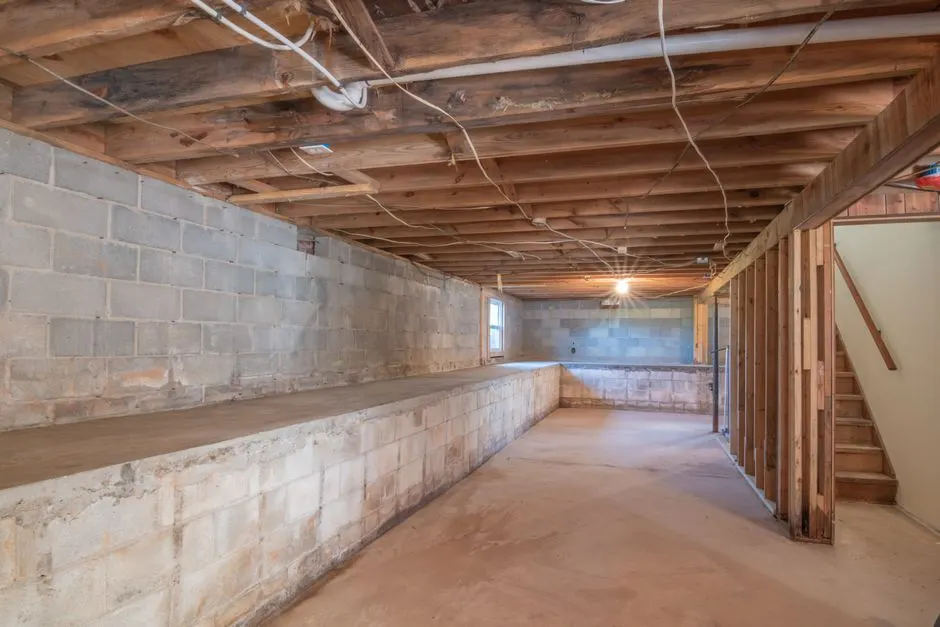
Full cavity survey
We drill inspection holes, identify the foam type with a moisture meter, and check wall ties and timber for rot. You get a written report and a fixed price the same day, with no obligation to book.
Every cavity foam removal job we do in Lancaster includes the survey, the extraction, the clean-up and the paperwork. We do not charge extra for access equipment or waste removal, and we do not leave you to sort the certificate yourself.
We drill inspection holes, identify the foam type with a moisture meter, and check wall ties and timber for rot. You get a written report and a fixed price the same day, with no obligation to book.
We cut out the foam in sections using spray foam cutting tools and thermal removal tools, then vacuum the cavity with an industrial vacuum and HEPA filtration. Dry ice blasting is used where foam is bonded hard to brick.
All foam waste is bagged, sealed and taken to a licensed transfer station. You get a waste transfer note with your certificate, which matters if your lender or buyer asks for proof of proper disposal.
We refill every drill hole with matching brick or render, clean down the walls and floors, and remove all protective sheeting. Most customers say the house looks untouched apart from the clear cavity.
You receive a written removal certificate with before-and-after photographs and a method statement. This is the document lenders, valuers and surveyors ask for when they reinspect the property.
Cavity wall spray foam removal in Lancaster is the controlled extraction of injected polyurethane foam from the gap between your inner and outer walls. Foam was sold as an easy retrofit, but it traps moisture against brickwork and timber, blocks ventilation, and stops surveyors assessing the wall tie condition. We cut the foam out in sections, vacuum the debris, and inspect the cavity with a moisture meter before anything new goes back in.
Most Lancaster jobs we see come from three triggers: a mortgage refusal due to spray foam, damp and condensation on internal walls, or a buyer's survey flagging the insulation. Properties around Marsh and Greaves are often solid-brick Victorian terraces where closed cell spray foam has caused structural timber rot in lintels and joist ends. If you have searched cavity wall spray foam removal in Lancaster near me, we cover the whole district and can survey within 24 hours.
Every job follows the same five stages, whether it is a two-bed terrace in Freehold or a detached house in Haverbreaks. You get a fixed price after the survey, and we tell you exactly how long we will be on site.
Schedule
Call or book online — a real human picks up and confirms a 2-hour arrival window.
Diagnose
Licensed tech inspects on-site, then walks you through the cause and your options.
Fix
The job is completed to code and done right the first time — no shortcuts, no surprises.
Guarantee
Every job backed by a written workmanship warranty — and we stand behind it.
Dry ice blasting machine
Freezes and shatters bonded foam without abrasive damage. Ideal for heritage brickwork in Lancaster's older terraces where sand blasting would be too harsh.
Industrial vacuum with HEPA filtration
Captures foam dust and debris at source, keeping the air in your home clean during extraction. We run it continuously while cutting.
Spray foam cutting tools
Long-reach saws and cutters designed to slice foam in the cavity without damaging wall ties or brick faces.
Thermal removal tools
Controlled heat softens brittle closed cell foam so it can be cut away cleanly, especially in cold weather when foam snaps rather than slices.
Moisture meter
Checks brick, timber and plaster for hidden damp before and after removal. It tells us whether the cavity has dried out properly.
Safety PPE
Respirators, coveralls, gloves and eye protection for every technician on site. Foam dust is not something to breathe in.
Protective sheeting and dust barriers
Seals doorways and covers floors and furniture so dust stays in the work area. We remove it all at the end of the job.
Sectional extraction
We open the cavity at intervals and remove foam in manageable sections rather than one long strip. This keeps the wall stable, lets us inspect as we go, and reduces the risk of damaging wall ties.
Dry ice blasting
Dry ice pellets freeze foam residue so it can be blasted off brick and timber without abrasion. We use it where foam is bonded hard or where the wall face is old and fragile.
Sand blasting
Abrasive sand blasting strips stubborn foam film from hard surfaces where other methods leave a residue. We use it selectively and always with full containment.
Thermal softening
Controlled heat softens closed cell foam so it can be cut rather than chipped. This is the method of choice for brittle foam in unheated lofts and roof spaces.
Post-removal inspection
Every job ends with a moisture meter check on brick and timber, a photographic record of the clear cavity, and a written certificate. That paperwork is what lenders and surveyors want to see.
01
What we do: We survey within 24 hours, quote the same day, and schedule removal to fit the sale timeline. We provide the certificate and photos directly to the lender and coordinate with the buyer's surveyor for reinspection.
→ The mortgage is released, the sale completes, and the buyer gets a property with a clear, ventilated cavity.
02
What we do: We remove the closed cell foam, inspect the wall ties and timber, treat any rot, and make good the walls. Both flats are done in a week with minimal disruption to tenants.
→ The valuation goes through, the damp is gone, and the landlord has paperwork to prove the work for future sales.
03
What we do: We carry out a full insulation assessment, quote cavity and loft separately, and start with the cavity. The loft is cleared the following week, and we specify new breathable insulation for both areas.
→ The house warms up faster, heating bills come down, and the roof space is clear and ventilated again.
04
What we do: We prioritise the job, work two consecutive days, and issue the removal certificate within 24 hours of completion. All waste is documented with a transfer note.
→ The sale proceeds without delay and the buyer's solicitor has the paperwork they asked for.
Lancaster's building stock splits roughly into three types, and each one behaves differently when foam is removed. The city centre and Marsh are full of solid-brick Victorian terraces with narrow cavities and no cavity trays, so foam there tends to trap moisture against the inner leaf and cause damp patches. The 1930s semis around Scale Hall and Ryelands have wider cavities and are usually easier to clear. Detached homes in Haverbreaks and Bare often have foam in both the cavity and the roof, so we survey the whole property before quoting. Lancaster's wet, westerly climate makes ventilation critical. Once the foam is out, we check that air bricks and weep holes are clear, and we specify breathable insulation rather than another sealed product. If you need cavity wall spray foam removal in Lancaster, Lancashire, we can survey within 24 hours and usually start within two weeks.
Marsh
Dense Victorian terraces with narrow cavities. Foam here often causes damp on party walls, so we check neighbouring properties for shared ventilation paths.
Scale Hall
1930s semis with wider cavities and original air bricks. Removal is usually straightforward, and we can often reinsulate in the same visit.
Haverbreaks
Larger detached homes where foam is often in both cavity and roof. We survey both areas and quote separately so you can prioritise.
Bare
Mix of bungalows and older detached houses close to the coast. Salt-laden air and driving rain make ventilation checks essential after removal.
Galgate
Village properties on the southern edge of Lancaster, often with solid stone walls. We use dry ice blasting here to avoid damaging stone faces.
Driving rain and high coastal humidity
Walls in Lancaster get wet from the outside more often than in inland areas. Foam traps that moisture, so removal and reinstatement must prioritise drainage and airflow.
Solid-brick Victorian construction
Narrow cavities and no cavity trays mean foam sits tight against the inner leaf. We extract carefully and check for rot in lintels and joist ends before closing up.
Cold winters and unheated lofts
Closed cell foam goes brittle in low temperatures and snaps rather than cuts. We use thermal softening tools in winter to avoid damaging rafters and wall ties.
Older properties with asbestos risk
Pre-1980s homes in Greaves, Bulk and Scotforth may contain asbestos in other materials. Our Asbestos Awareness training means we spot it and stop before disturbing anything.
Foam that was meant to keep heat in often causes more trouble than it saves. Here are the four problems we fix most often for Lancaster homeowners, and what happens if you leave them alone.
Problem
Your sale stalls, your buyer walks, and you lose months of time and legal fees while the property sits unsold.
Our Fix
We remove the foam, clear the cavity for inspection, and issue a removal certificate with photographs. Lenders and valuers accept this paperwork, and we will meet your buyer's surveyor on site if needed.
Problem
Black mould spreads, plaster blows, and the damp eventually reaches floor joists and lintels, turning a removal job into a structural repair.
Our Fix
We extract the foam so the cavity can drain and ventilate again, check timber with a moisture meter, and treat any early rot. Once the cavity is clear, we can specify breathable insulation that suits Lancaster's wet climate.
Problem
Foam sprayed onto rafters traps moisture in the roof space, causing timber rot and condensation that drips onto ceilings and insulation.
Our Fix
We remove roof and loft foam, clear the ventilation paths, and inspect rafters for rot. If the roof needs repair, we tell you before we close anything up, so you can get it sorted in one go.
Problem
Shrunk or soggy foam insulates poorly, so you keep paying to heat a house that leaks warmth through the walls all winter.
Our Fix
After removal we can install insulation boards or mineral wool that performs properly. Customers typically see a measurable difference in how quickly the house warms up and how long it holds heat.
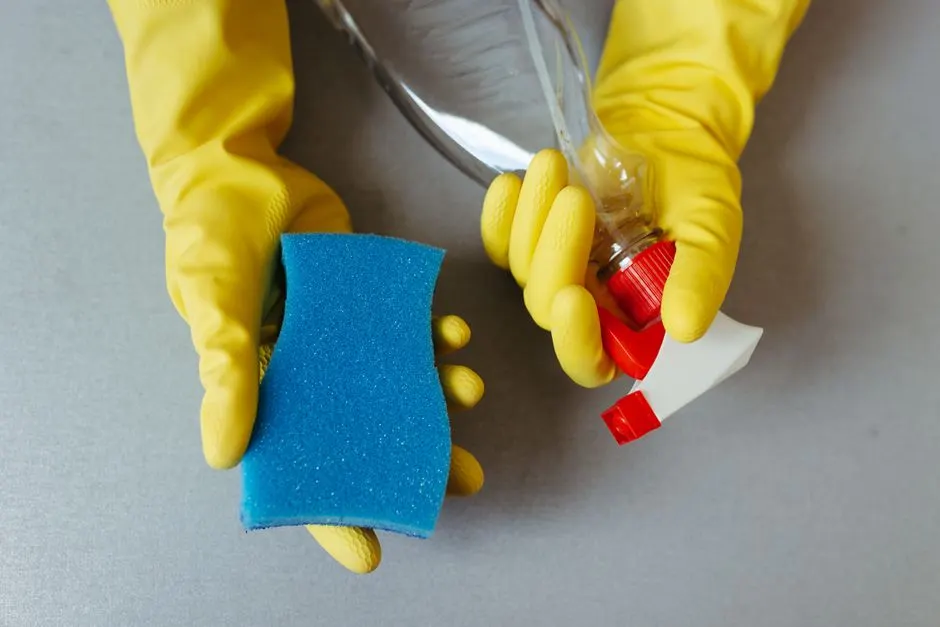
Removing failed cavity foam is not just about a mortgage. It restores airflow, protects the building fabric, and lets you reinsulate properly with a product that suits Lancaster's wet, westerly climate.
Unblocks your mortgage
Lenders routinely refuse loans on foam-filled cavities because surveyors cannot inspect wall ties. We provide a removal certificate and photographic evidence of a clear cavity, which is what your lender and their valuer actually want to see before releasing funds.
Stops damp and rot
Closed cell foam seals moisture against brick and timber. In Lancaster's driving rain, that moisture has nowhere to go. Once we extract the foam, the cavity drains and ventilates again, and we treat any early timber rot before it spreads to lintels or floor joists.
Restores energy efficiency
Foam that has shrunk, cracked or gone soggy loses most of its insulating value. After removal we can install insulation boards or a breathable mineral wool that performs properly, often cutting heat loss through the walls by 30 to 40 percent compared with failed foam.
Clears the way to sell
A flagged cavity insulation removal Lancaster survey can stall a sale for months. We work to estate agent and solicitor deadlines, issue a written removal report, and coordinate access so your buyer's surveyor can reinspect without another delay.
Google ★★★★★4.9
Surveyed our Marsh terrace on the Tuesday and had the foam out by Friday. The certificate went straight to our lender and the sale went through. Clean, tidy and they explained everything as they went.
Google ★★★★★4.8
Two flats in Freehold with damp and foam. They found rot in a lintel, sorted it, and the remortgage valuation passed without conditions. Tenants barely noticed the work happening.
Checkatrade ★★★★★4.9
Foam in the loft and cavity in Bare. They quoted each area separately and let us do the cavity first. No dust in the house and the loft is clear and ventilated again.
Google ★★★★★4.9
Called on a Monday about a frozen mortgage, surveyed Tuesday, started the following week. The paperwork was exactly what the lender asked for. Straight-talking and no hidden costs.
Spray Foam Removal Lancaster has been removing cavity foam since 2022, working on solid-brick terraces, 1930s semis and modern timber-frame homes across Lancashire. Our technicians hold NVQ and CITB qualifications, plus PASMA for tower work and Asbestos Awareness for older properties. We have completed hundreds of cavity extractions, from single-wall jobs in Primrose to full rows of terraces in Marsh, and we work to BPCA and SafeContractor standards on every site.
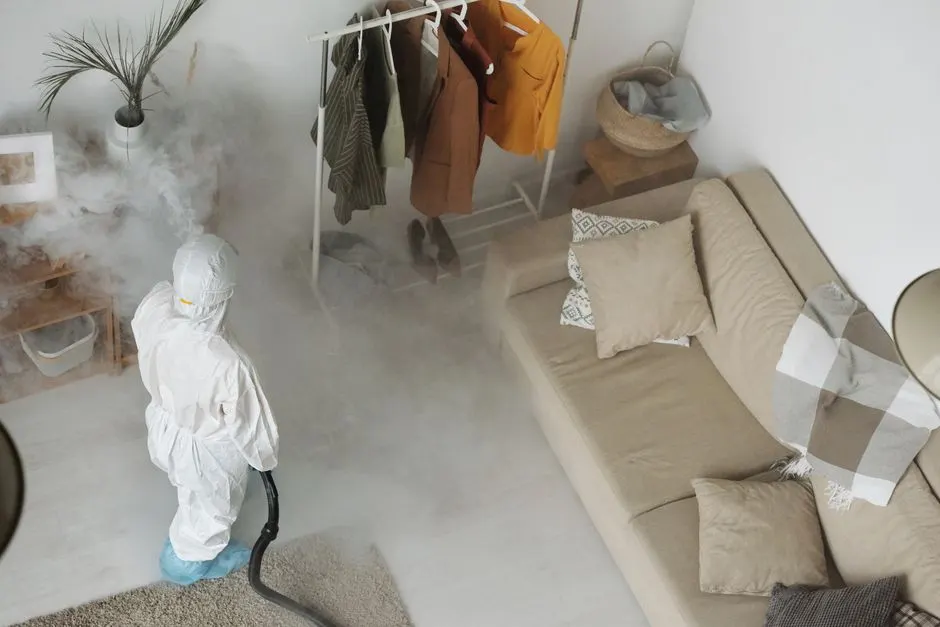
Real answers to the questions we hear most often from local homeowners and property managers.
If you are searching for spray foam removal near me in Lancaster, we cover the whole district. We handle cavity, loft, roof and attic foam, so one call sorts the lot.
View Spray Foam Removal near meSame day spray foam removal is available across Lancaster for urgent surveys and small extraction jobs. Call before 10am and we can often be on site the same afternoon.
View same day Spray Foam RemovalOur 24/7 spray foam removal line covers emergency call-outs across Lancaster, including water ingress after a storm or foam that has started to fail suddenly. Phone 03335672543 any time.
View 24/7 Spray Foam RemovalResidential spray foam removal is our core work in Lancaster, from Victorian terraces to modern timber-frame homes. We remove foam from walls, lofts and roofs and certify the property for lenders.
View Residential Spray Foam RemovalCommercial spray foam removal covers Lancaster shops, offices and light industrial units. We work out of hours to avoid disrupting your business and provide full waste transfer documentation.
View Commercial Spray Foam RemovalLoft spray foam removal in Lancaster clears foam from roof spaces so ventilation can be restored. It is often needed alongside cavity work when a surveyor flags the whole property.
View loft spray foam removalCall 03335672543 or email [email protected] and we will book a survey, usually within 24 hours. We work Monday to Friday, 8am to 6pm, with a 24/7 emergency line for water ingress and storm damage. You speak to the person who will be on your roof.
Phone
03335672543Address
78 Church St, Lancaster LA1 1ET, UK, Lancaster, Lancashire
Hours
Mon–Fri: 7AM – 7PM
Sat: 8AM – 4PM
Sun: Emergency Only
24/7 Emergency Available