Full roof space survey
A technician checks foam type, depth and coverage, then runs a moisture meter across every visible rafter and the vapour barrier. You get photographs and a written fixed price the same evening, with no obligation to proceed.
Every same-day removal in Lancaster covers the full job from survey to certificate. There is no separate charge for the survey, no charge for waste removal and no charge for the paperwork your lender needs. If the roof needs structural work once the foam is off, we tell you and you decide who does it.
A technician checks foam type, depth and coverage, then runs a moisture meter across every visible rafter and the vapour barrier. You get photographs and a written fixed price the same evening, with no obligation to proceed.
Foam is cut into sections with spray foam cutting tools and lifted clear, with an industrial vacuum running throughout. Dense closed cell foam gets thermal removal tools or dry ice blasting to clear residue without damaging the timber beneath.
Protective sheeting goes down across the loft floor, hatch and stairwell before cutting starts. When the foam is out we vacuum every surface, bag the waste and carry it out, so you are left with a swept, usable roof space.
All foam, contaminated insulation boards and debris leave site the same day through a licensed Lancashire waste carrier. The waste transfer note is emailed to you within 24 hours as proof of compliant disposal.
You receive a signed removal certificate with before-and-after photographs, suitable for mortgage lenders, surveyors and solicitors. If your broker needs a specific format, tell us at survey stage and we will match it.
same day Spray Foam Removal in Lancaster is the controlled cutting, extraction and disposal of spray foam insulation from a roof, loft or wall cavity within 24 hours of your call. We start with a moisture meter and a full survey of the timbers, because foam that has been sitting against a rafter for years usually hides damp and condensation underneath. From there we cut the foam into manageable sections with spray foam cutting tools, pull it clear of the roof structure, and run an industrial vacuum over every surface. Nothing gets dragged through your house.
Most of our Lancaster work comes from three situations: a mortgage refusal due to spray foam, a surveyor flagging roof ventilation issues, or a homeowner who has watched energy efficiency loss push their bills up year after year. If you have been searching for same day Spray foam removal in Lancaster near me, the honest answer is that we hold same-day slots for urgent cases and book standard jobs within 48 hours. Emergency Spray foam removal Lancaster 24/7 cover runs through the phone line, including weekends.
Five steps, one visit for most Lancaster jobs. You get a fixed price before we start and a call when we are 30 minutes out.
Schedule
Call or book online — a real human picks up and confirms a 2-hour arrival window.
Diagnose
Licensed tech inspects on-site, then walks you through the cause and your options.
Fix
The job is completed to code and done right the first time — no shortcuts, no surprises.
Guarantee
Every job backed by a written workmanship warranty — and we stand behind it.
Dry ice blasting machine
Fires dry ice pellets at low pressure to freeze and lift foam residue off rafters without abrasive grit or water. Our first choice on older Lancaster timbers.
Spray foam cutting tools
Long-bladed saws and oscillating cutters that slice foam into liftable sections along the line of the rafters, keeping cuts straight for the post-removal inspection.
Industrial vacuum
Runs continuously alongside the crew to capture fine open cell dust and foam crumbs before they reach the rest of the house.
Moisture meter
Checks every visible rafter and the vapour barrier for trapped damp, so we find structural timber rot before it becomes a bigger repair.
Thermal removal tools
Heated blades that cut through dense closed cell foam cleanly with less dust, used where a straight finish along the timber matters.
Safety PPE
Respirators, coveralls, eye protection and gloves for every crew member, plus dust containment for the occupied part of the house.
Protective sheeting
Heavy-duty floor and stairwell covers laid before any cutting starts, so dust and foam fragments never reach your landing or carpets.
Dry ice blasting
Dry ice pellets are fired at the foam residue, freezing it so it cracks away from the timber. There is no abrasive sand to clean up afterwards and no water introduced into the roof space, which matters on older Lancaster roofs where damp is already a concern.
Sand blasting spray foam insulation removal
Abrasive sand is used on hard surfaces such as brick gables and blockwork where cutting tools cannot reach. The work area is fully contained with sheeting and extraction, and all spent abrasive is bagged and removed as part of the job.
Thermal cutting
Heated blades slice through closed cell foam in clean lines along the rafters. This reduces airborne dust and gives a tidier finish, which helps when a surveyor inspects the exposed roof structure after removal.
Moisture mapping
Every rafter and the vapour barrier are checked with a moisture meter before and after removal. The readings are logged and included in your handover pack, so you have a record of the roof's condition on the day we finished.
01
What we do: We treat this as urgent. A surveyor goes out the same day, we quote the removal in writing that evening and the crew is booked for the next working day. Photographs and a removal certificate follow within 24 hours of completion.
→ The lender gets the paperwork it needs and the sale proceeds, usually within a fortnight of the first phone call.
02
What we do: We phase the work property by property so no house is out of action at the same time. Each loft gets the same survey, extraction, clean-down and certificate, and we work around tenancy changeover dates.
→ All three properties pass inspection, and the landlord has a single set of certificates covering the portfolio.
03
What we do: We run a moisture meter across the rafters and find the foam is trapping condensation against the timbers. The foam comes out, the roof space is dried and ventilation is restored, with any rotted rafter flagged for a joiner.
→ The damp stops spreading, the timbers dry out and the roof space becomes usable storage again.
04
What we do: We survey the full roof, then phase removal in bays so the operation keeps running. Night and weekend working is available where daytime access is restricted by loading schedules.
→ The roof is cleared without a single lost working day, and the client gets a full photographic record for their insurer.
Lancaster roofs take a beating. Driving rain off Morecambe Bay, cold easterlies in winter and humid summers mean spray foam that was sprayed onto the underside of tiles often traps moisture rather than keeping it out. The city's building stock makes it worse: Victorian terraces in Marsh and Freehold have shallow roof pitches and tight loft hatches, while 1970s semis in Scale Hall and Ryelands were often foamed during the last insulation grant push. We see a lot of BASF and Icynene open cell foam in those properties, and closed cell polyurethane foam in newer conversions out towards Caton and Galgate. If you need emergency spray foam removal Lancaster 24/7 because a lender has pulled funding, we can usually survey the same day and remove the following working day. For straightforward jobs, same day spray foam insulation removal Lancaster Lancashire wide is realistic anywhere inside a 10-mile radius of the city centre. We also check roof ventilation on every job, because blocked eaves vents are common in older Lancaster terraces and they are half the reason the foam caused a problem in the first place.
Marsh
Dense Victorian terraces with shallow pitches and small loft hatches. Access takes longer, so we allow extra time on the survey for any Marsh job.
Scale Hall
1970s semis frequently foamed under earlier grant schemes. Open cell foam is common here and usually comes out faster than closed cell.
Scotforth
Low eaves and tight roof spaces on the older detached homes. We use compact cutting tools and flexible extraction hoses to work in them.
Caton
Stone-built and barn conversions where roof timbers are often older and more brittle. Dry ice blasting is the preferred method here.
Heysham
Coastal properties with higher salt exposure. We check fixings and roof deck condition as part of the survey before any foam comes out.
Driving rain and coastal humidity off Morecambe Bay
Moisture finds its way into roof spaces more easily than inland. Foam that traps that moisture accelerates timber rot, so we always run a moisture meter survey before quoting.
Victorian and Edwardian roof timbers across central Lancaster
Older, brittle rafters need low-pressure methods. We favour dry ice blasting over abrasive techniques on these roofs to avoid gouging the timber.
Shallow roof pitches on terraces in Marsh and Freehold
Low headroom and tight hatches slow the work down. We allow longer on the survey so the removal day is not rushed and the crew has the right compact tools.
Blocked eaves ventilation on older Lancaster terraces
Foam often compounds an existing ventilation problem. We clear blocked vents as part of the job so the roof can breathe once the foam is gone.
Foam in a roof is rarely just a cosmetic issue. These are the five problems Lancaster homeowners call us about most often, and what happens if they are left alone.
Problem
The sale collapses, you lose your buyer and the property sits on the market while every new surveyor flags the same thing. Weeks turn into months and the asking price starts to look optimistic.
Our Fix
We survey within a day, remove the foam, photograph the exposed timbers and issue a certificate in the format your lender accepts. Most Lancaster sales we unblock complete within two weeks of the first call.
Problem
Moisture cannot escape, so it sits against the rafters. Over a few winters that means structural timber rot, sagging roof lines and a repair bill far larger than the removal itself.
Our Fix
Our moisture meter survey maps exactly where damp has taken hold. We remove the foam, expose the timbers to airflow and flag any rafter that needs a joiner before it becomes a structural problem.
Problem
Foam sprayed directly onto the underside of tiles blocks the airflow a roof needs. Condensation builds, felt rots and in bad cases the roof deck itself starts to fail.
Our Fix
We strip the foam back to the rafters and restore the ventilation path the roof was designed with. On older Lancaster terraces that often means clearing blocked eaves vents at the same time.
Problem
Foam that has separated from the timber stops insulating properly. Heating bills climb, the loft feels cold and you are paying to heat a roof space that no longer holds warmth.
Our Fix
Once the failed foam is out we assess what insulation actually suits your roof, whether that is insulation boards, a breathable membrane or a correctly installed vapour barrier.
Problem
Cutting foam without extraction fills the house with fine dust, and closed cell foam can be genuinely hard to shift with hand tools. People damage rafters, tear the vapour barrier and still have foam left.
Our Fix
Our crews work in safety PPE with industrial extraction running throughout. Protective sheeting contains the dust, and the whole job is done in a day rather than dragging over several weekends.

Foam removal is not a job to hand to a general builder with a crowbar. Get it wrong and you crack rafters, tear the vapour barrier and leave dust through the whole house. Here is what you actually get when you book us.
Same-day slots held open
We keep same day Spray foam removal Lancaster appointments free every weekday for urgent cases, so a lender deadline or a house sale does not slip. Call before 11am and we aim to have a surveyor on your roof the same afternoon, with the removal crew booked in behind them.
Mortgage-ready paperwork
Lenders and surveyors want proof the foam is gone and the roof is sound. We photograph every stage, log the timbers we exposed and issue a removal certificate you can hand straight to your broker. That single document has unblocked more Lancaster house sales than anything else we do.
Timber-safe extraction
Dry ice blasting and thermal removal tools lift foam residue without gouging the rafters. On older Lancaster terraces the roof timbers are often 100 years old and brittle, so we work at low pressure, check each rafter with a moisture meter and stop the moment we find structural timber rot that needs a joiner.
Full clean-down included
Protective sheeting goes down before a single cut is made, and an industrial vacuum runs alongside the crew the whole time. When we finish you get a swept loft, bagged waste removed from site and a clear handover of what was taken out. No dust through the landing, no foam crumbs in the insulation.
Google ★★★★★4.9
Rang on a Monday about foam flagged by our buyer's surveyor. Surveyed the same afternoon, foam out by Wednesday, certificate through on Thursday. The landing was spotless when they finished. Would not hesitate to recommend them to anyone in Lancaster.
Google ★★★★★4.8
Three student properties with foam in every loft. They phased the work around our tenancy dates and kept each house habitable throughout. Clear pricing, no add-ons, and the certificates were exactly what the letting agent wanted.
Checkatrade ★★★★★4.9
Closed cell foam across the whole roof and I was expecting a nightmare. They used thermal cutters and dry ice on the rafters, and the loft was swept clean when they left. The moisture readings they took found a rafter I would never have spotted.
Google ★★★★★5.0
Called the 24/7 line on a Sunday because our sale was about to fall through. Someone answered, triaged it over the phone and had a surveyor out Monday morning. Genuinely same-day service, not just a marketing line.
We have been removing spray foam since 2022, working almost entirely on Lancaster and the surrounding Lancashire villages. In that time we have stripped foam from Victorian terraces in Marsh, 1970s semis in Scale Hall and barn conversions out towards Caton. Our technicians hold PASMA and Asbestos Awareness training, and we work to CHAS and SafeContractor standards on every site. We have handled jobs involving BASF, Dow, Huntsman, Soudal, Fischer, Recticel, Kingspan and Icynene foam systems, and we know how each one behaves when it is cut. That matters, because closed cell foam fights back and open cell foam crumbles into dust the moment a blade touches it.
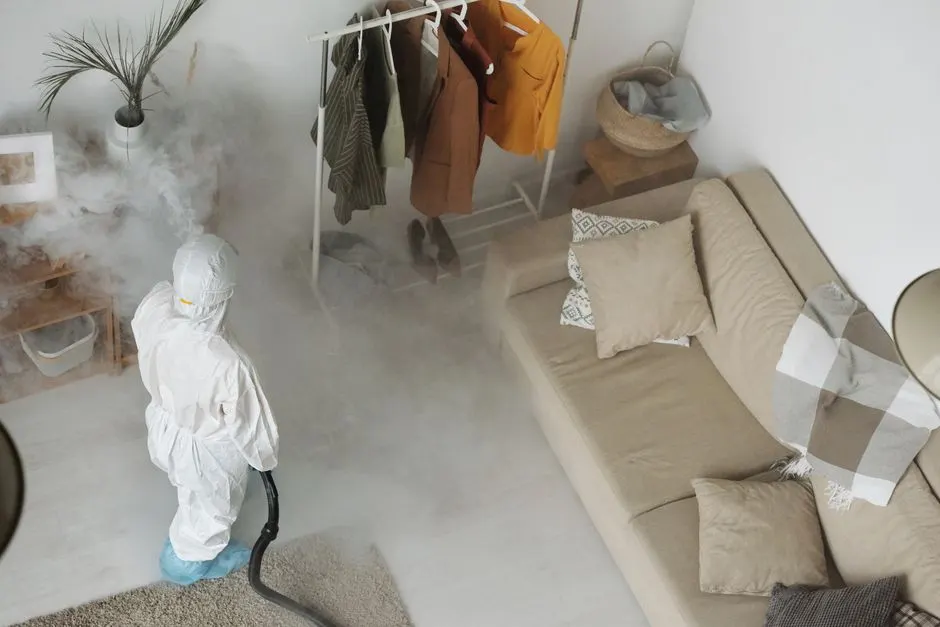
Real answers to the questions we hear most often from local homeowners and property managers.
If you are searching for spray foam removal near me in Lancaster, this is the same crew and the same kit. We cover every Lancaster postcode and the surrounding Lancashire villages, with survey slots available most weekdays.
View Spray Foam Removal near meOur 24/7 spray foam removal line exists for lender deadlines and failed surveys that cannot wait until Monday. Call overnight and we triage the job immediately, then book the earliest possible removal slot in Lancaster.
View 24/7 Spray Foam RemovalMost of our Lancaster work is residential: lofts, rafters and cavity walls in terraces, semis and detached homes. We work room by room with protective sheeting so your house stays livable while the foam comes out.
View Residential Spray Foam RemovalWe strip spray foam from commercial roofs, warehouses and agricultural buildings across Lancashire. Larger jobs are phased so your operation keeps running, with out-of-hours working available when access is restricted during the day.
View Commercial Spray Foam RemovalLoft spray foam removal is our most common Lancaster job. Foam sprayed directly onto the underside of roof tiles traps heat and moisture, so we cut it back, check the timbers and restore proper roof ventilation before we leave.
View loft spray foam removalRoof spray foam removal covers foam applied between and across rafters. We work from inside the roof space, cut the foam into sections and lift it clear without disturbing the tiles above wherever the structure allows.
View roof spray foam removalCall 03335672543 or email [email protected] and we will book a survey, usually within 24 hours. We work Monday to Friday, 8am to 6pm, with a 24/7 emergency line for water ingress and storm damage. You speak to the person who will be on your roof.
Phone
03335672543Address
78 Church St, Lancaster LA1 1ET, UK, Lancaster, Lancashire
Hours
Mon–Fri: 7AM – 7PM
Sat: 8AM – 4PM
Sun: Emergency Only
24/7 Emergency Available