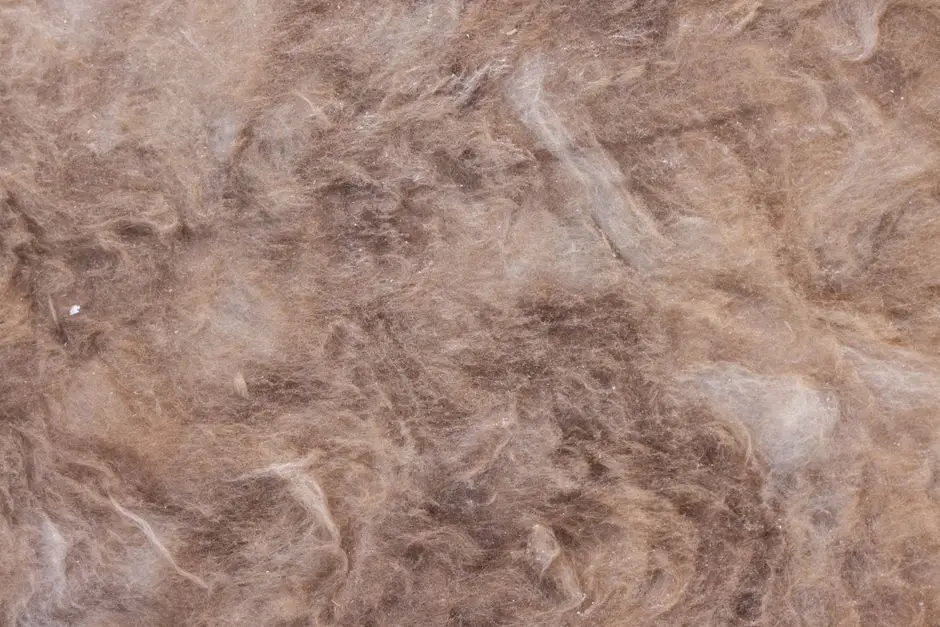
Full foam strip-out
We cut and blast all accessible foam from rafters, sarking, trusses and roof decks. Bonded residue is removed with sand blasting equipment at controlled pressure. You are left with bare, clean timber ready for inspection.
Every quoted job covers the full removal, clean-down and report. There are no hidden extras for waste disposal or paperwork. If you want new insulation fitted after removal, we quote that separately so you can see the difference.
We cut and blast all accessible foam from rafters, sarking, trusses and roof decks. Bonded residue is removed with sand blasting equipment at controlled pressure. You are left with bare, clean timber ready for inspection.
Protective sheeting, dust barriers and an industrial vacuum run throughout the job. Foam crumbs and abrasive sand are captured at the nozzle, not left in your loft. We wipe down surfaces before we pack up.
A moisture meter reading is taken on every elevation, and we confirm the ridge and eaves vents are clear. Any timber showing early rot is flagged in the report. This is the evidence your lender or surveyor will ask for.
All foam, sand and debris are bagged and removed for licensed disposal. You receive a waste transfer note plus a dated photographic report. Most customers forward it straight to their lender the same day.
Sand blasting spray foam insulation removal in Lancaster, Lancashire uses a controlled abrasive stream to break the bond between cured polyurethane foam and the timber, tile or brick underneath. The foam is first cut back with spray foam cutting tools, then the residue is blasted away at low pressure so the rafters and sarking boards are not gouged. An industrial vacuum runs alongside the nozzle to capture dust and foam crumbs at source, and a moisture meter checks the timber before we sign the job off.
Most Lancaster call-outs start with a mortgage refusal due to spray foam. Lenders treat Icynene and similar foams as a hidden risk because they trap damp against rafters, and older stone-built terraces around Bulk and Marsh are already prone to condensation. If you have been told to remove spray foam with sand blasting in Lancaster, we can usually survey within 48 hours and quote the same day. Loft conversions, attic rooms and cavity wall fills are the three most common jobs we see.
Every job follows the same five stages, from the first phone call to the final clean-down. Here is exactly what happens and how long each stage takes.
Schedule
Call or book online — a real human picks up and confirms a 2-hour arrival window.
Diagnose
Licensed tech inspects on-site, then walks you through the cause and your options.
Fix
The job is completed to code and done right the first time — no shortcuts, no surprises.
Guarantee
Every job backed by a written workmanship warranty — and we stand behind it.
sand blasting equipment
Low-pressure abrasive blasting removes bonded foam residue from rafters, sarking and brick without gouging the surface underneath.
spray foam cutting tools
Hand and powered cutters take the bulk of the foam away before blasting, which cuts dust and speeds up the job considerably.
industrial vacuum
A high-volume vacuum runs at the nozzle to capture foam crumbs and abrasive sand at source, keeping the loft and house clean.
moisture meter
We test every elevation before and after removal. Readings under 20 percent are our sign-off threshold for a dry, mortgageable roof space.
safety PPE
Respirators, eye protection, coveralls and hearing protection are worn by every technician for the full duration of the blast.
dry ice blasting machine
Used instead of abrasive sand on listed buildings and delicate brickwork where grit would cause surface damage.
Containment-first setup
We seal the loft hatch, lay protective sheeting and set negative air pressure before any cutting starts. This keeps foam dust out of living areas so you can stay in the property while we work.
Section-by-section blasting
Rather than blasting a whole roof at once, we work in bays so the vacuum keeps pace with the nozzle. It is slower on paper but produces a cleaner finish and less airborne dust.
Substrate-matched pressure
Old slate, Victorian sarking and modern trusses all take different blast pressures. We adjust the nozzle and pressure for each surface, which is why we have never damaged a rafter on a Lancaster job.
Moisture-verified sign-off
No job is finished until every elevation has been re-tested with a moisture meter and the ventilation paths are confirmed clear. The readings go into your removal report as evidence for the lender.
01
What we do: We survey within 48 hours, strip the foam with sand blasting equipment, and issue a removal report with moisture readings and photographs. The buyer's lender receives it the same day we finish.
→ The mortgage offer is reinstated and the sale completes without a price renegotiation.
02
What we do: We schedule both properties back to back, cut the bulk foam, blast the bonded layer and vacuum each loft clean. Waste is removed under our carrier registration and reports are emailed the same evening.
→ Both lofts are clean and dry, and the tenancy starts on time with a documented removal record.
03
What we do: We check moisture levels, confirm the foam is trapping damp, then blast it off the rafters and clear the ventilation paths. A vapour barrier is fitted afterwards to keep the roof space dry.
→ Moisture readings drop below 20 percent and the condensation on the sarking stops.
04
What we do: We plan the work around shifts, set up containment zones and use access equipment to blast the deck clean. Method statements and risk assessments are issued before we start on site.
→ The deck is clear for the roofing contractor and the project stays on programme.
Lancaster's building stock shapes how we work. The city centre, Bulk and Marsh are full of Victorian and Edwardian terraces with slate roofs and sarking boards, where foam was often sprayed directly onto the timber. Those roofs need lower blast pressure than a modern trussed roof, and ventilation paths at the ridge are usually blocked, so we clear them as part of the job. Out towards Bare, Torrisholme and Heysham you get more 1930s semis and bungalows with shallower lofts, which are quicker to strip but tighter to work in. The wet Lancashire climate is the other factor. Foam traps moisture against rafters, and after two or three winters you start to see damp patches and a musty smell. That is why we moisture-test every elevation before and after removal. If you have been quoted for sand blasting spray foam insulation removal Lancaster Lancashire wide, ask whether the price includes ventilation checks and a written report, because those are the two things lenders actually look at. We also work in Galgate, Caton and Halton, where converted barns and older stone cottages sometimes need dry ice blasting instead of abrasive sand to protect the stonework.
Lancaster City Centre
Dense Victorian terraces with slate roofs and tight loft hatches. Access is the main constraint, so we plan ladder and hose routes before the day.
Bulk
Many stone-built terraces here have sarking boards under the slates. We use lower blast pressure to protect the boards and check for rot at the eaves.
Bare
A mix of 1930s semis and bungalows with shallow roof spaces. Jobs are quicker to strip but need careful dust control in occupied homes.
Heysham
Coastal properties see more damp ingress, so foam here is often already failing. We moisture-test before quoting and flag any timber that needs treatment.
Galgate
Village properties include converted barns and older cottages where dry ice blasting is sometimes the better option to protect stonework.
Wet coastal climate and driving rain off Morecambe Bay
Foam traps moisture against rafters faster here than inland. We check for damp and rot on every job and treat any affected timber before sign-off.
Victorian and Edwardian slate roofs with sarking boards
These surfaces mark easily, so we reduce blast pressure and use finer abrasive. It adds time but protects the original roof structure.
Tight loft hatches in terraced housing
Equipment has to be broken down to fit through, which adds about an hour to setup. We plan this at survey so the quote stays fixed.
Listed buildings and conservation areas
Abrasive sand is not always permitted on historic fabric. We switch to dry ice blasting with dry ice pellets, which leaves the substrate untouched.
Foam that was sold as an energy saver often becomes the reason a sale stalls or a roof starts to rot. These are the three problems we are called out for most often across Lancaster.
Problem
The sale stalls, your buyer walks, and you are left paying for a survey that flagged a problem you cannot easily fix. Lenders treat foam as a hidden risk until it is removed and the timbers are proven dry.
Our Fix
We prioritise lender-driven jobs, strip the foam with sand blasting, and provide dated photographs and moisture readings in a removal report. Most Lancaster sales complete within four to six weeks of the foam coming out.
Problem
Foam seals the roof space, moisture builds against the rafters, and you get damp patches, musty smells and eventually structural timber rot. In Lancaster's wet climate this can develop within two or three winters.
Our Fix
Blasting removes the foam and the damp film in one pass, and we check ventilation paths at the ridge and eaves before we leave. A moisture meter confirms the timber is dry, and we can fit a vapour barrier if needed.
Problem
Degraded foam crumbles, loses its insulating value and can drop onto stored items in the loft. You end up paying to heat a roof space that is no longer doing its job, and the mess spreads every time you go up there.
Our Fix
We remove the failed material completely, vacuum the space clean, and advise on modern insulation boards or a vapour barrier. Customers in Torrisholme and Heysham typically pass their follow-up survey on the first revisit.
Sand blasting removes foam without the gouging you get from scrapers and chisels, so the timber underneath stays sound. These are the four outcomes our Lancaster customers ask for most.
Unblocks mortgage and survey
A mortgage refusal due to spray foam usually clears once the foam is gone and the timbers are inspected. We provide a removal report with before and after photos that your lender or surveyor can file. Most Lancaster sales complete within four to six weeks of the foam coming out.
Protects structural timber
Foam traps moisture against rafters, and in Lancaster's wet climate that means rot within a few seasons. Blasting removes the foam and the damp film in one pass, then we treat any timber showing early decay. A moisture meter reading under 20 percent is our sign-off threshold.
Restores roof ventilation
Closed cell spray foam seals the gaps between rafters that a roof needs to breathe. Once we strip it, air moves through the loft again and condensation on the sarking drops sharply. We check ventilation paths at the ridge and eaves before we leave site.
Cuts energy efficiency loss
Foam that has failed or gone damp actually loses more heat than a clean, ventilated roof space. After removal we can fit insulation boards or a vapour barrier to bring the loft back to current standards. Customers in Bare and Torrisholme typically see their loft survey pass on the first revisit.
Google ★★★★★4.9
Surveyed on Tuesday, foam stripped by Thursday. The report with photos went straight to our buyer's lender and the sale went through. Dust was properly contained and the loft was cleaner than when they arrived.
Google ★★★★★4.8
Two rental lofts with closed cell foam cleared in three days. Moisture readings on the report were all under 20 percent, which is exactly what my insurer asked for. Fixed price, no extras.
Checkatrade ★★★★★4.9
They explained why the foam was causing damp in our Bare bungalow, blasted it off the rafters and fitted a vapour barrier. The musty smell has gone and the loft is dry again.
Real answers to the questions we hear most often from local homeowners and property managers.
If you are searching for spray foam removal near me in Lancaster, we cover the whole district from City Centre to Heysham. The sand blasting method is the same wherever you are, and we aim to survey within 48 hours of your call.
View Spray Foam Removal near meFor urgent mortgage deadlines we offer same day spray foam removal where access allows. We can often strip a small loft in a single visit, then send the removal report the same evening. Call before 10am to check availability.
View same day Spray Foam RemovalOur 24/7 spray foam removal line is for emergency call-outs, such as foam that has started to fall after a leak. We can make safe and isolate the area at any hour, then return in daylight to complete the sand blasting removal.
View 24/7 Spray Foam RemovalResidential spray foam removal covers lofts, attics, roof slopes and cavity walls in occupied homes. We use dust barriers and negative air pressure so you can stay in the property. Most Lancaster houses are finished within two days.
View Residential Spray Foam RemovalCommercial spray foam removal handles warehouses, workshops and retail units where foam was applied to roof decks or walls. We work around your operating hours and provide method statements and risk assessments before we start on site.
View Commercial Spray Foam RemovalLoft spray foam removal is our most common Lancaster job. We strip foam from rafters, sarking and trusses, then vacuum the space clean. A typical loft takes one to two days, and the removal report is ready the same afternoon.
View loft spray foam removalCall 03335672543 or email [email protected] and we will book a survey, usually within 24 hours. We work Monday to Friday, 8am to 6pm, with a 24/7 emergency line for water ingress and storm damage. You speak to the person who will be on your roof.
Phone
03335672543Address
78 Church St, Lancaster LA1 1ET, UK, Lancaster, Lancashire
Hours
Mon–Fri: 7AM – 7PM
Sat: 8AM – 4PM
Sun: Emergency Only
24/7 Emergency Available