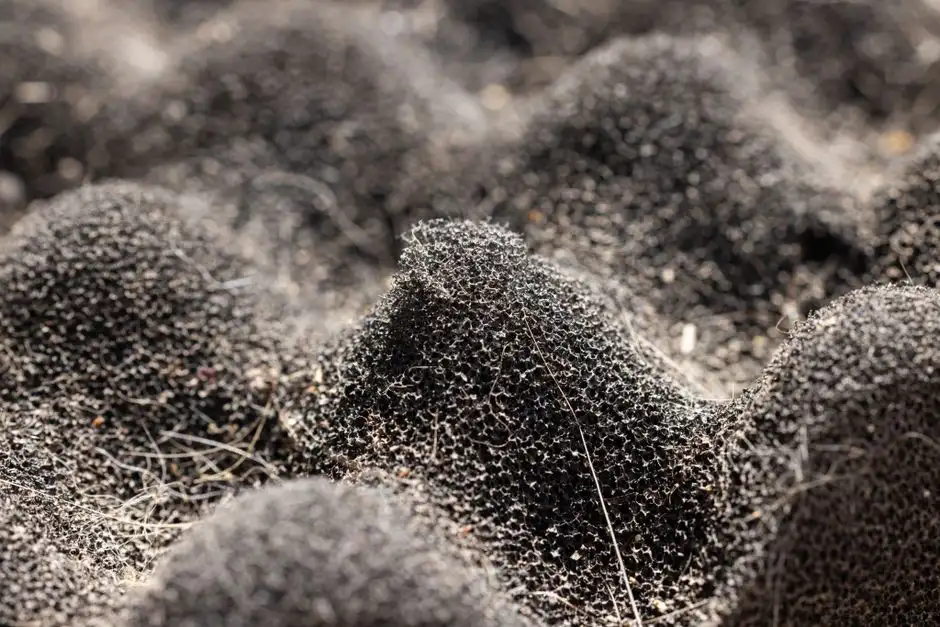
Full loft survey
We measure the affected area, identify the foam type and check timber moisture with a meter. You get a fixed written price the same day, plus a clear note of any asbestos risk that needs testing before we start.
Every open cell foam removal job we quote includes the survey, protection, extraction, timber check and clean-down. We do not quote for removal and then charge extra for waste or documentation. Anything outside the standard scope, such as new insulation or joinery repairs, is priced separately and agreed with you first.
We measure the affected area, identify the foam type and check timber moisture with a meter. You get a fixed written price the same day, plus a clear note of any asbestos risk that needs testing before we start.
Floors, stairs and landings are covered before any tools go up. We seal the loft hatch and set up negative-pressure extraction so dust and foam particles stay in the work area, not in your kitchen.
Open cell foam is cut into sections with spray foam cutting tools and fed into an industrial vacuum. Stubborn patches are cleared with thermal removal tools or dry ice blasting. A standard three-bedroom semi takes one to two days.
Every rafter, purlin and section of felt is inspected for rot, damp and insect damage. Moisture readings are logged and photographed. If we find soft timber, we tell you the same day and recommend a joiner before new insulation goes in.
All foam, sheeting and debris is bagged and removed by licensed carriers. We separate what can be recycled and dispose of the rest correctly. You are not left with a skip on the drive or bags in the loft.
You get a photo record of the stripped roof space and a short written summary showing the foam has been removed and the timbers assessed. Most lenders and surveyors in Lancaster accept this as evidence for the file.
Open cell spray foam removal is the process of cutting, scraping and vacuuming out soft, low-density polyurethane foam that was sprayed between rafters or across loft floors. Unlike closed cell foam, open cell foam is spongy and breathable, so it traps moisture against roof timbers when ventilation is poor. We use spray foam cutting tools, industrial vacuum units and thermal removal tools to take it back to bare timber, then check every rafter with a moisture meter before we call the job done.
Most Lancaster properties we see with this problem are Victorian terraces, 1930s semis and converted farm buildings around Galgate and Caton. The foam was often installed to stop draughts, but it blocks the eaves gap and stops air moving through the roof. If you have been searching for open cell spray foam removal in Lancaster near me, it usually means a surveyor, lender or buyer has raised a red flag. We assess the roof ventilation issues first, then remove the foam without damaging the felt or rafters.
Every job follows the same five stages, from the first phone call to the final clean-down. You get a fixed price before we start and a clear idea of how long your loft will be out of action.
Schedule
Call or book online — a real human picks up and confirms a 2-hour arrival window.
Diagnose
Licensed tech inspects on-site, then walks you through the cause and your options.
Fix
The job is completed to code and done right the first time — no shortcuts, no surprises.
Guarantee
Every job backed by a written workmanship warranty — and we stand behind it.
Spray foam cutting tools
Hand and powered cutters slice open cell foam into sections that can be fed into the vacuum. They let us work close to rafters without gouging the timber.
Industrial vacuum
High-capacity vacuums pull foam debris and dust out of the loft and into sealed containers. Negative-pressure setup keeps dust out of the living space below.
Dry ice blasting machine
Dry ice pellets freeze and crack foam off delicate felt and historic timbers. Ideal for older Lancaster roofs where cutting tools would cause damage.
Thermal removal tools
Controlled heat softens thick open cell patches so they can be scraped away. We use them on rafters where we want to avoid cutting into the wood.
Moisture meter
We log timber moisture readings before and after removal. Readings above 20% suggest active damp and a need for further ventilation work.
Safety PPE
Respirators, coveralls, gloves and eye protection are worn by every operative. Foam dust and old insulation fibres are not something to breathe in.
Mechanical cutting and vacuum extraction
The standard approach for open cell foam. We cut the foam into sections, feed it into an industrial vacuum and work across the loft in bays. It is fast, controlled and keeps dust contained.
Dry ice blasting
Dry ice pellets are fired at the foam to freeze and crack the bond. We use this on fragile felt, historic rafters and areas where cutting tools would cause damage. It leaves no abrasive residue behind.
Thermal softening
Controlled heat softens thick open cell foam before scraping. Useful on rafters and tight corners where a blade would mark the timber. We combine it with vacuum extraction to keep the work area clean.
Moisture mapping
We take moisture readings across the roof structure before and after removal. The readings are logged and photographed, giving you and your lender a clear record of the timber condition.
01
What we do: We survey within days, remove the foam, check the timbers and provide a written summary with photos. The documentation is aimed squarely at lenders and surveyors, so the buyer's file is complete.
→ The lender releases funds and the sale completes. Most jobs of this size take one to two days on site.
02
What we do: We strip the open cell foam, clear the eaves gap and log moisture readings before and after. Any rotten timber is flagged for a joiner, and we recommend a breathable insulation system for the rebuild.
→ The damp stops, the ceiling dries out and the property is ready for re-letting without a foam-related survey issue.
03
What we do: We remove the foam, inspect the roof space and recommend insulation boards or mineral wool that suit the property. The loft is left clean and ready for the energy assessor to revisit.
→ The EPC improves, the loft is drier and the property is easier to market without a foam caveat.
04
What we do: We phase the work around operating hours, strip the foam from the roof deck and provide the paperwork the insurer and landlord need. Large decks are usually split into sections to keep the business running.
→ The insurer signs off the roof, the deck is clean and the unit stays open throughout the job.
Lancaster's damp coastal climate is hard on open cell foam. The foam soaks up moisture from the air, holds it against rafters and stops the eaves gap doing its job. We see the worst cases in Victorian terraces around Marsh and Greaves, where roof voids are tight and ventilation was never generous. Out toward Heysham and Bare, salt-laden air makes the problem worse, and we often find foam that has gone soft and crumbly within a few years. Older properties around Galgate and Caton sometimes have fragile sarking felt, so we switch to dry ice blasting rather than cutting tools. If you need open cell insulation removal Lancaster homeowners can rely on, we survey first, log moisture readings and strip the foam without wrecking the roof. We also work around Lancaster University term times, when access to rented housing is tightest. Most jobs are booked within a week of the survey.
Lancaster City Centre
Tight Victorian roof voids and limited parking. We often need a permit or an early start to get equipment close to the property.
Heysham
Coastal air and salt exposure speed up foam breakdown. We check for damp bridging and corroded fixings as well as the foam itself.
Galgate
Converted farm buildings and older cottages with fragile sarking felt. Dry ice blasting is often the safer method here.
Bare
Post-war semis with shallow lofts and low eaves. Access is tight, so we use compact cutting tools and smaller vacuum heads.
Scotforth
Larger detached homes with bigger roof decks. Foam coverage is often patchy, so we map the affected bays before quoting.
High coastal humidity around Heysham and Bare
Open cell foam absorbs moisture faster here, so timber readings often come back higher. We allow extra time for drying checks and ventilation work.
Fragile sarking felt in pre-1930s properties
Cutting tools can tear old felt, so we switch to dry ice blasting or hand tools. This adds half a day on some jobs but protects the roof covering.
Tight loft access in Lancaster City Centre terraces
Narrow hatches and steep roofs slow the work. We use compact equipment and plan extra time for setup and clean-down.
University lettings calendar around the Lancaster University Area
Changeover weeks are busy, so we book removal jobs around tenancy dates to avoid disrupting landlords and students.
Open cell foam causes more trouble than most homeowners realise. These are the four issues we are called out to fix most often across Lancaster and the surrounding villages.
Problem
The sale stalls, the buyer pulls out and you are left paying for a survey that flagged a problem you cannot fix yourself.
Our Fix
We remove the open cell foam, photograph the stripped timbers and provide a written summary for the lender. Most surveyors accept this as evidence the issue has been dealt with, which lets the sale move forward.
Problem
Trapped moisture drips onto stored items, stains ceilings and slowly rots rafters and purlins. Left alone, the repair bill can run into thousands.
Our Fix
We strip the foam, reopen the eaves ventilation path and check the felt. Moisture readings are logged before and after. Most lofts dry out noticeably within a few weeks once air can move again.
Problem
Soft timber weakens the roof structure and can spread to neighbouring rafters. By the time it is visible, the damage is often deeper than it looks.
Our Fix
Our technicians inspect every rafter after extraction and log moisture readings with a meter. If rot is found, we flag it the same day and recommend a joiner before any new insulation is fitted.
Problem
Damp foam stops insulating properly, so the loft gets colder, heating bills rise and your EPC score drops, which matters if you plan to sell or rent.
Our Fix
Once the foam is out, we recommend a breathable insulation system suited to your roof, such as mineral wool or insulation boards. That gives your energy assessor a clean base to work from.

Removing open cell foam is not just about tidying a loft. It restores airflow, protects the roof structure and clears the obstacle that stops lenders releasing funds.
Clears mortgage hold-ups
Mortgage refusal due to spray foam is one of the most common reasons people call us. Lenders and surveyors want the foam gone and the roof ventilated before they will lend. We remove the open cell foam, document the timber condition and leave the loft ready for a follow-up inspection, which typically takes one to two days on a standard semi.
Stops timber rot spreading
Open cell foam holds moisture like a sponge. Left in place, it feeds structural timber rot in rafters and purlins, and repairs can run into thousands. Removing the foam and restoring airflow through the eaves drops timber moisture content back toward the 15-20% range where rot stops progressing.
Restores roof ventilation
A blocked eaves gap traps warm damp air in the loft. We clear the foam from the rafter bays, check the felt and reopen the ventilation path. Most lofts see condensation on the underside of the roof covering drop noticeably within the first few weeks after removal.
Cuts energy efficiency loss
Foam that has gone damp stops insulating properly and can drag your EPC rating down. Once it is out, we can recommend a breathable insulation board or mineral wool system that suits the roof. That gives you a warmer loft, a drier roof space and a figure your energy assessor can actually work with.
Google ★★★★★4.9
Surveyed on Tuesday, foam out by Thursday. They photographed everything for our lender and the sale went through. The loft was spotless when they left. Would use again without hesitation.
Google ★★★★★4.8
Found rot in two rafters and told us straight away instead of just carrying on. Fixed price, no extras, and the moisture readings came down within a month. Honest local firm.
Checkatrade ★★★★★4.9
We had open cell foam across the whole loft and were worried about dust. They sheeted the stairs and landing and the house barely noticed. Clean, tidy and finished when they said.
Google ★★★★★5.0
Booked them for a rental in Heysham after the insurer flagged the roof. They phased the work around the tenants and provided the paperwork we needed. Professional from start to finish.
Spray Foam Removal Lancaster has been trading since 2022, so we are four years into stripping foam out of Lancashire roofs. In that time we have worked on everything from single lofts in Bare and Torrisholme to larger commercial roofs around Heysham. Our technicians hold PASMA, Asbestos Awareness and CITB training, and we work to BPCA and SafeContractor standards on every site. We know how open cell foam behaves in Lancaster's damp coastal climate, and we know what surveyors and lenders want to see when the job is finished.
Real answers to the questions we hear most often from local homeowners and property managers.
If you need spray foam removal near me in Lancaster, we cover the whole district with local crews. We strip open cell and closed cell foam from lofts, roofs and cavity walls, and we can usually survey within a few days of your call.
View Spray Foam Removal near meSame day spray foam removal is available across Lancaster for urgent cases, such as a lender deadline or a surveyor revisit. Call before 10am and we will do our best to get a crew to you that afternoon, subject to access and foam type.
View same day Spray Foam RemovalOur 24/7 spray foam removal line stays open for emergencies, including water ingress through a foam-blocked roof or a collapsed loft section. Call any time and we will arrange the earliest safe visit, with a full survey and fixed price before work begins.
View 24/7 Spray Foam RemovalResidential spray foam removal covers houses, bungalows and flats across Lancaster. We work carefully around lived-in homes, protect stairs and landings, and remove open cell foam from rafters and loft floors without disturbing your daily routine.
View Residential Spray Foam RemovalCommercial spray foam removal suits warehouses, offices and retail units around Heysham and Lancaster. We work around your operating hours, strip open cell foam from large roof decks and provide documentation for insurers, landlords and facilities managers.
View Commercial Spray Foam RemovalLoft spray foam removal is our most common job in Lancaster. We cut out open cell foam from between rafters, clear the eaves gap and vacuum the loft floor. The space is left ready for breathable insulation or a ventilation upgrade.
View loft spray foam removalCall 03335672543 or email [email protected] and we will book a survey, usually within 24 hours. We work Monday to Friday, 8am to 6pm, with a 24/7 emergency line for water ingress and storm damage. You speak to the person who will be on your roof.
Phone
03335672543Address
78 Church St, Lancaster LA1 1ET, UK, Lancaster, Lancashire
Hours
Mon–Fri: 7AM – 7PM
Sat: 8AM – 4PM
Sun: Emergency Only
24/7 Emergency Available