Newton Park
A useful reference point for jobs on the estate roads nearby. If you tell us you are close to the park, we know which side of the village you mean and which approach road to take.

Spray foam removal in Newton is a specialist job, and it is one we have handled since 2022 from our Lancaster base. Newton sits between the city and the open ground towards Cockerham, so the housing stock is a real mix: post-war semis around Newton Estate, stone-built cottages on the older lanes, and a handful of farm buildings with foam sprayed into roofs that were never designed for it. That mix matters. Closed cell spray foam is rigid and bonded hard to the timber, so it needs cutting tools and patience rather than a scraper and a bad mood. Open cell spray foam comes out faster but holds moisture, which is why so many Newton lofts show condensation on the underside of the felt. We quote from what we find on site, not from a photo. If you are searching for spray foam removal near Newton and want a straight answer on cost and timescale, we will give you one.
Every job in Newton starts the same way: we look at the foam, the timber and the ventilation before we quote. From there it is loft, roof, cavity or full insulation removal, residential or commercial. If you need spray foam removal in Newton near me and want it sorted this week, call and we will tell you honestly whether it is a same day job or a two-day strip-out.

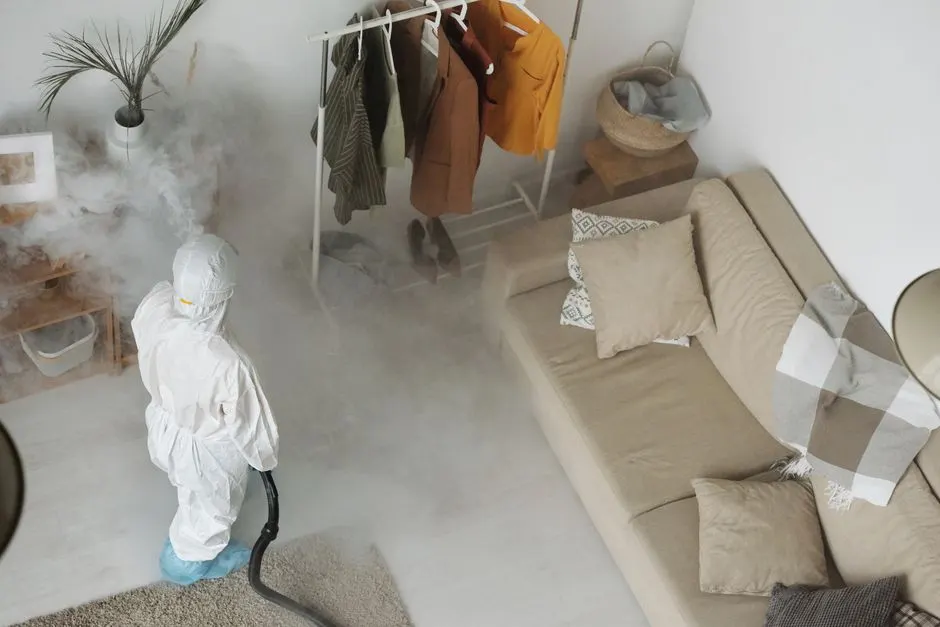






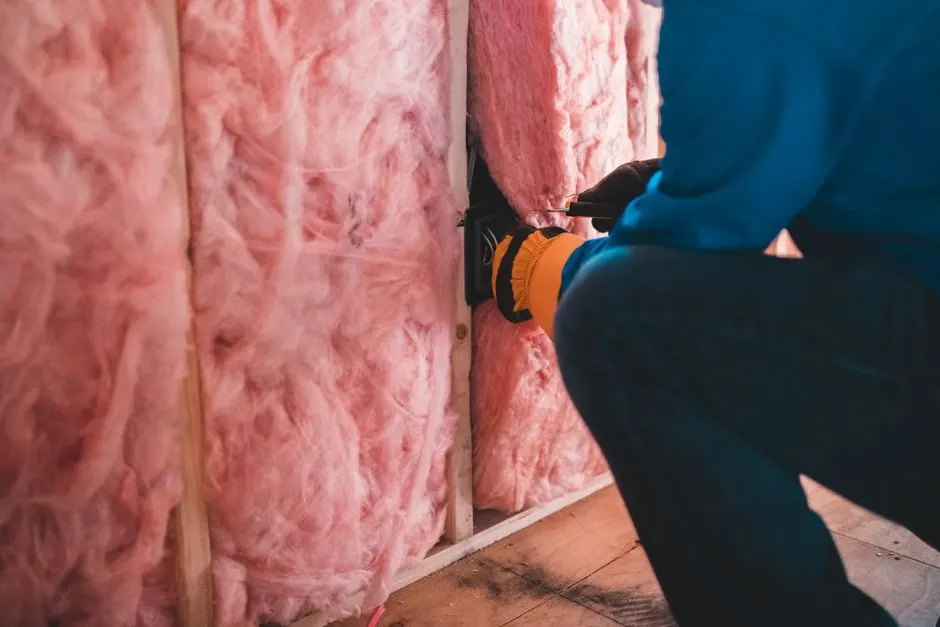






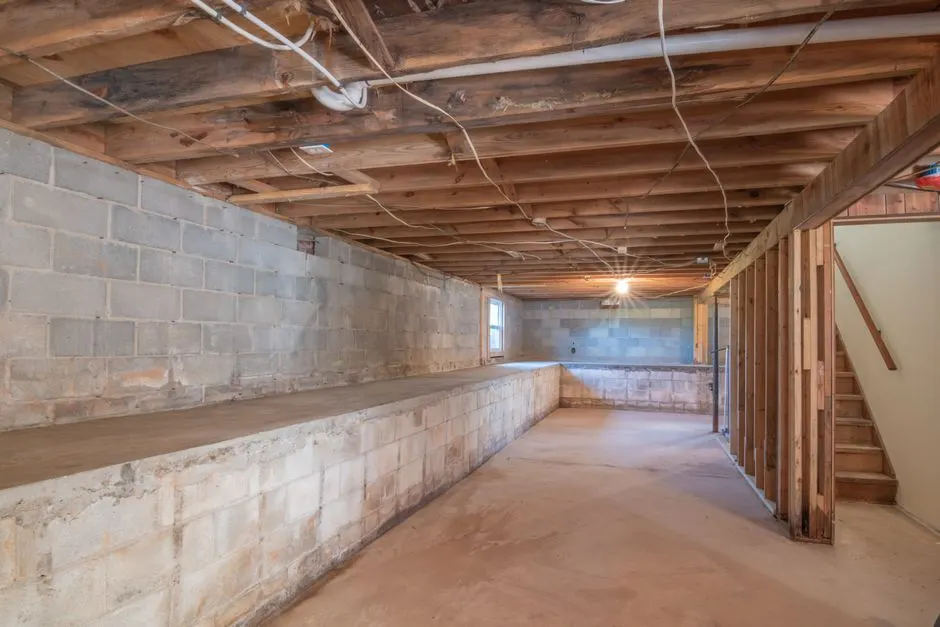




Newton has its own pattern of problems. The canal keeps the air damp, the housing stock is a mix of ages and materials, and a lot of the foam went in without proper ventilation. These are the issues we deal with most often when we carry out spray foam removal in Newton.
Lenders and surveyors treat spray foam as a hidden risk because it can trap moisture and hide rot. Many Newton homeowners only find out when a sale or remortgage is already in progress.
Foam sprayed directly onto the felt blocks the roof's ability to breathe. Near the Lancaster Canal, the air is damper than inland, so condensation builds up faster and soaks into the foam and timber.
When foam holds moisture against timber for years, rot sets in. It is common in older Newton cottages where ventilation was poor before the foam went in, and it is easy to miss until the foam is removed.
Closed cell foam that has cracked or separated from the rafters stops insulating properly. Homeowners in Newton often notice higher bills before they notice the foam itself has failed.
Not every foam job is urgent, but some are. If you are searching for spray foam removal in Newton near me because something has changed in your loft, these are the signs that usually mean it is time to get someone out. The earlier you catch them, the less damage there is to the timbers.
Mortgage lender or surveyor flags the foam
This is the most common trigger in Newton. Lenders treat spray foam in a roof space as a risk because it can hide damp and rot. Until it is removed and documented, the mortgage or remortgage usually stalls. It is not an emergency, but it is time-sensitive.
Damp patches or condensation on the felt
Foam sprayed over the felt stops the roof breathing. In Newton, where the canal keeps the air damp, condensation forms on the underside and drips onto the foam. If you can see dark patches or water beads, the foam is trapping moisture and needs to come out.
A musty smell in the loft or upstairs rooms
A persistent musty smell usually means damp and early timber rot. Foam hides the evidence, so by the time you smell it, the problem has been building for a while. Get it checked before the timbers need replacing.
Foam cracking, crumbling or coming loose
Older closed cell foam goes brittle and starts to crack away from the rafters. Once it loses its bond, it is no longer insulating properly and can fall onto the loft floor. In Newton we see this most on foam installed more than ten years ago.
Higher energy bills with no other explanation
If your bills have crept up and the loft is full of foam, the foam may have failed. Cracks and gaps let cold air through, and the insulation value drops. Removal and a proper replacement system usually pays back over a few winters.
Newton is compact, but the lanes can catch you out if you do not know them. We use Newton Park and the Lancaster Canal as our main orientation points, and the Community Centre as a handy meeting spot when we need to hand over paperwork. If you are directing us, the postcode plus a landmark is usually enough.
A useful reference point for jobs on the estate roads nearby. If you tell us you are close to the park, we know which side of the village you mean and which approach road to take.
The canal marks the damp side of the village. Properties backing onto it need moisture readings before and after removal, so we use the canal as a quick way to place your address.
A central point we use for orientation and, occasionally, for handing over paperwork when a customer cannot be home. It helps us confirm which end of the village we are heading to.
Visible from higher ground around Newton and a reliable way to orient ourselves when a property sits on the edge of the village with no obvious street number.
ZIP coverage on request — call to confirm.
Newton sits in a damp, exposed part of Lancashire, and the weather shapes when foam problems show up. Autumn and winter are when most people call us, but the work runs all year. Here is what to expect through the seasons.
Spring is when damp from winter starts to show. Condensation marks on the felt and musty smells in the loft become obvious as the weather warms. It is also a popular time to get foam removed before a summer sale.
Tip: Book an assessment in spring if you noticed damp over winter. Getting the foam out early gives the roof time to dry before next winter.
Summer is the easiest time to work in a loft, and drying conditions are best. Foam that has been wet over winter dries faster, and moisture readings settle more quickly. It is also peak season for mortgage-driven removals.
Tip: If your lender has flagged the foam, summer is the ideal time to get it removed and documented. Drying times are shorter and the job is less disruptive.
Autumn rain and falling temperatures bring damp back into Newton roofs. Foam that was borderline over summer starts to hold moisture again, and condensation returns. This is when most of our emergency calls come in.
Tip: Check your loft before the worst of the weather. If the foam feels damp or the felt is wet, get it looked at before winter sets in.
Winter is the hardest season for foam problems. Cold outside, warm inside, and the dew point sits right on the underside of the felt. Foam traps that moisture, and any existing rot gets worse. Access can also be trickier in bad weather.
Tip: Call our 24/7 line if foam has come loose or water is getting in. We will help you make the roof safe and attend as soon as conditions allow.
Newton sits just outside Lancaster, so we treat it as part of a wider service area that includes the city centre and the villages around it. If you are on the edge of Newton or just over the boundary, call us anyway. We are usually already working somewhere nearby.
(City)
About ten minutes from Newton. Many of our Newton customers first found us through work we did in the city centre.
View Lancaster City Centre(City)
A short run south of Newton. We cover Bulk on the same days as Newton jobs where possible.
View Bulk(City)
Close to the city and often booked alongside Newton work. Similar housing stock and similar foam problems.
View Marsh(City)
A few minutes from Newton. We regularly pair Greaves and Newton jobs on the same run.
View Greaves(City)
South of Lancaster and within easy reach of Newton. Foam removal here is often mortgage-driven, like Newton.
View Scotforth(City)
Central Lancaster, roughly ten minutes from Newton. We cover Freehold terraces and conversions on the same schedule.
View FreeholdReal answers from our team for the questions we hear most often before a job starts.
If your lender has flagged the foam, or you have spotted damp in the loft, call us on 03335672543. We cover Newton Road, Newton Lane, Newton Estate and the surrounding lanes, and we can usually assess within a few days. You get a fixed price after the assessment, not a guess from a photo. Four years in business, fully insured, and we take the foam away with us.
Call 03335672543 or email [email protected] and we will book a survey, usually within 24 hours. We work Monday to Friday, 8am to 6pm, with a 24/7 emergency line for water ingress and storm damage. You speak to the person who will be on your roof.
Phone
03335672543Address
78 Church St, Lancaster LA1 1ET, UK, Lancaster, Lancashire
Hours
Mon–Fri: 7AM – 7PM
Sat: 8AM – 4PM
Sun: Emergency Only
24/7 Emergency Available