Galgate Railway Station
A useful orientation point on the western side of the village. Jobs on Station Lane and the streets behind the station are usually reached from here, and the station approach gives us a clear turning point for the van.
Galgate is a village of two halves. Around Galgate Village and Main Road you have solid stone and brick cottages, many built long before anyone thought about roof ventilation. Out towards Ellel and along Preston Lancaster Road there are larger detached houses and converted farm buildings. Both types attract spray foam because they are draughty and cold, and both types are now being picked apart by mortgage lenders and surveyors who want it gone. We have been working this patch since 2022, and the pattern is always the same: foam goes in to stop a draught, it traps moisture against the underside of the roof covering, and five to ten years later the timbers are damp and the sale stalls. Our job is to reverse that. We remove open cell spray foam, closed cell spray foam and injected cavity foam, then treat and dry the structure so it can breathe again. If you have been told the foam has to come out before a lender will proceed, that is exactly the work we do.
Demand in Galgate splits roughly three ways: homeowners who need foam out before a sale completes, landlords sorting out damp in older rentals, and commercial units near the M6 that need roof deck foam removed. Because the village is small, we can often bundle an insulation assessment into the same visit as the removal, which keeps the cost down. If you are searching for spray foam removal in Galgate near me and want someone who already knows the housing stock, this is the list of what we do here.






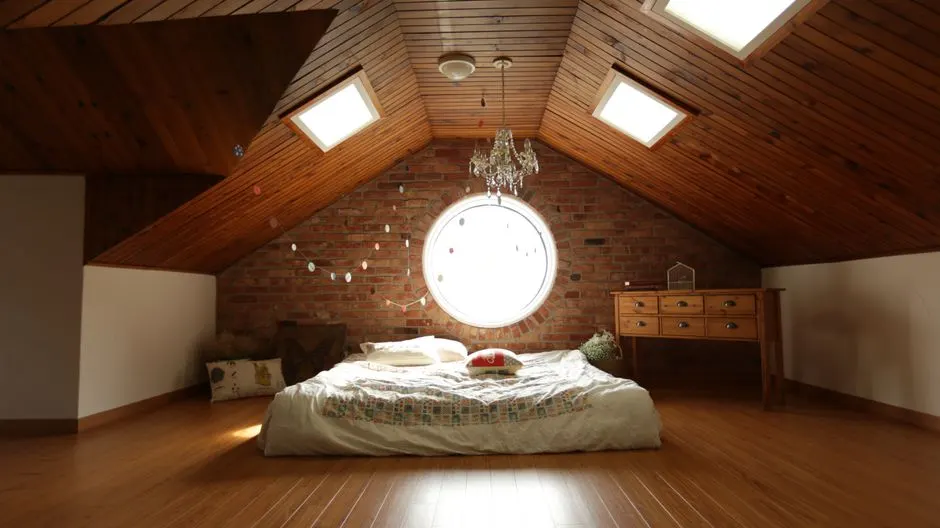
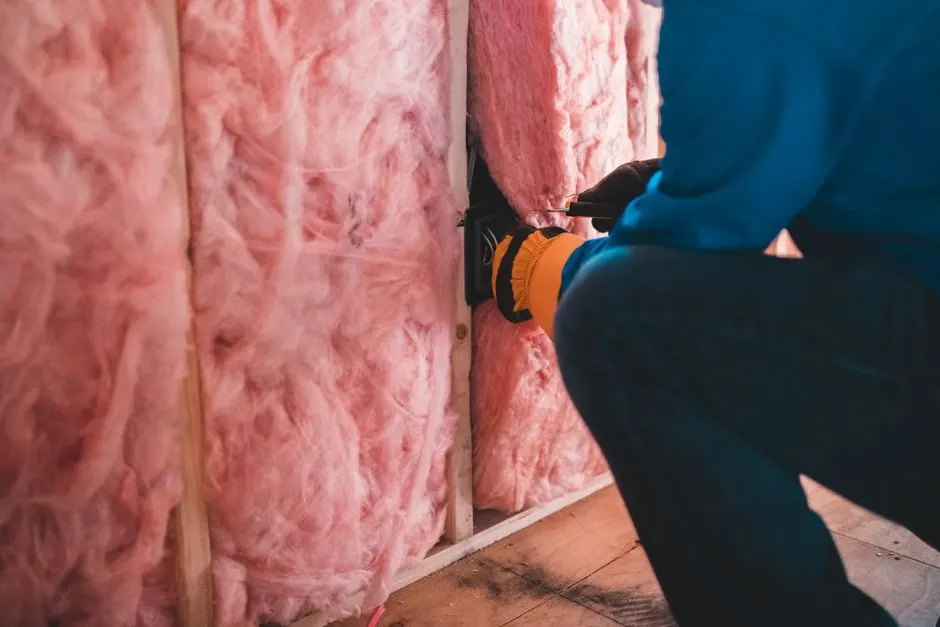







Galgate's housing stock and its position on the edge of the Lune Valley create a specific set of problems. Older properties were built to breathe, and foam stops them doing that. Add in the wet Lancashire climate and the number of sales that stall at survey stage, and you get the same four issues coming up again and again. If you want the best spray foam removal Galgate has available, the first step is understanding which of these you are dealing with.
Lenders treat spray foam as a risk because it can conceal damp, rot and structural problems. In Galgate, where a high proportion of sales involve older properties, valuers are increasingly strict about it, and the sale stalls until the foam is removed and the roof is inspected.
Foam sprayed directly onto the underside of tiles or sarking blocks the ventilation path. Moisture from inside the house rises into the loft, cannot escape, and condenses on the coldest surface, which is usually the roof covering. Over time the timbers stay permanently wet.
Closed cell foam is rigid and waterproof, so any moisture that gets behind it stays there. In Galgate's older roofs, this shows up as soft rafters and blackened sarking that only becomes visible once the foam is removed.
Injected cavity foam was fitted to many Galgate homes to cut draughts, but it can bridge the gap between the two leaves of the wall. Water that would normally drain down the cavity then crosses to the inner wall and shows up as damp patches inside.
Most people in Galgate do not realise they have a problem until a surveyor, lender or buyer tells them. These are the signs we see most often, and they are worth checking before you put a property on the market. If you are searching for spray foam removal in Galgate near me because one of these has just happened, call us and we will tell you honestly whether removal is necessary.
A lender or valuer has flagged the foam
This is the most common trigger. Mortgage lenders increasingly refuse to lend on properties with spray foam in the roof because it can hide damp and rot. Once it is flagged, the sale usually cannot proceed until the foam is removed and the timbers are proven sound.
Damp patches on ceilings below the loft
Foam sprayed between rafters stops the roof breathing. Moisture that would normally escape condenses on the underside of the roof covering and drips down onto ceilings. If you are seeing brown patches or peeling paint below the loft, the foam is likely the cause.
A musty smell in upstairs rooms
Trapped moisture creates the conditions for mould and timber rot. A persistent musty smell in a bedroom or landing, especially in older Galgate cottages, often traces back to a sealed roof space. It will not clear on its own once foam is in place.
Timbers feel soft or spongy in the loft
If you can push a screwdriver into a rafter and it sinks in, the timber has started to rot. This is a structural issue, not just a damp one. The foam needs to come out and the timber needs treating before it spreads further along the roof.
The roof space is noticeably hotter in summer
Closed cell foam stops heat escaping, which is fine in winter but turns the loft into an oven in summer. If your upstairs rooms are uncomfortably hot from May onwards and the loft has foam, removal and a breathable replacement will bring the temperature down.
Galgate is easy to navigate once you know it, and we use the obvious landmarks to plan our routes. Galgate Railway Station sits on the western side of the village and is a useful marker when we are heading to jobs on Station Lane. The Lancaster Canal runs along the eastern edge, and properties backing onto the towpath often have restricted rear access, so we approach from the road side. Galgate Millennium Park is a handy reference point for the residential streets behind it. Further out, Ellel St John's Church marks the turn for the rural lanes towards Ellel. The M6 junction sits just to the south, which is why we can cover both the village and the commercial units nearby in the same day.
A useful orientation point on the western side of the village. Jobs on Station Lane and the streets behind the station are usually reached from here, and the station approach gives us a clear turning point for the van.
Marks the residential heart of the village. When we are heading to properties around Main Road and the streets behind the park, this is the reference point we use to confirm the address before we set off.
Runs along the eastern edge of Galgate. Properties backing onto the canal often have no rear vehicle access, so we plan to work from the front and carry equipment through the house.
The turning point for the rural lanes towards Ellel. We use the church as a marker when routing to farmhouses and barn conversions on the eastern edge of our coverage area.
ZIP coverage on request — call to confirm.
Galgate sits in a wet, exposed part of Lancashire, and the seasons change what we find in roof spaces. Autumn is when most people start noticing damp, because the heating goes on and the temperature difference between inside and out drives condensation. If you are looking for spray foam removal in Galgate near me, the time of year affects both what we find and how quickly the roof space will dry afterwards.
Spring is a good time to book removal because the roof space will dry out over the warmer months. We often find that foam installed years ago has already caused damp over winter, and the timbers are at their wettest in March and April.
Tip: Book a survey in early spring if you are planning to sell later in the year. It gives the roof space time to dry before a valuer sees it.
Summer is our busiest period for closed cell foam removal, because lofts with foam get uncomfortably hot and homeowners notice the problem. Drying conditions are at their best, which means timber treatment is more likely to be successful first time.
Tip: If your loft is unbearable in July, that is the foam, not the weather. Get it assessed while conditions are dry and the job will be quicker.
Autumn is when damp patches and musty smells appear as the heating comes on. Condensation against foam-covered roof surfaces increases sharply from October, and this is when most Galgate homeowners first realise there is a problem.
Tip: Do not wait until winter to call. Removal in autumn leaves the roof space open to dry before the worst of the wet weather arrives.
Winter is the hardest time to work in a Galgate loft. Cold, damp conditions slow drying, and any leak under the foam becomes more obvious. Emergency call-outs rise because water held against a roof deck can freeze and expand, causing further damage.
Tip: If you have a leak or a sagging ceiling, call our 24/7 line rather than waiting for spring. We can make the structure safe and complete the removal when conditions allow.
Galgate sits just south of Lancaster, so our Galgate work is part of a wider round that takes in the city and the surrounding villages. If you are in any of the areas below, the same crew and the same fixed-price approach applies.
(City)
About ten minutes north of Galgate via the A6. Many of our Galgate customers originally found us through work we did in the city centre.
View Lancaster City Centre(City)
A short drive north of Galgate on the Lancaster side. We cover Bulk on the same round as Galgate, usually on the same day.
View Bulk(City)
Just north of the city centre, around fifteen minutes from Galgate. Terraced housing here has similar foam problems to Galgate's older stock.
View Marsh(City)
A residential area on the southern side of Lancaster, easily reached from Galgate via the A6. We often pair Greaves and Galgate jobs into one day.
View Greaves(City)
Roughly ten minutes from Galgate, on the road into Lancaster. Similar mix of older housing and loft foam issues.
View Scotforth(City)
Close to Lancaster city centre and within easy reach of Galgate. We cover Freehold on the same schedule as our Galgate and Scotforth work.
View FreeholdReal answers from our team for the questions we hear most often before a job starts.
If a lender, surveyor or buyer has raised the foam in your Galgate property, we can get it sorted. We survey, quote a fixed price and remove the foam with the right equipment, then document the timbers for your lender. Four years working this village means we know the access, the roof types and the paperwork. Call 03335672543 or send us a message and we will book you in, usually within 48 hours.
Call 03335672543 or email [email protected] and we will book a survey, usually within 24 hours. We work Monday to Friday, 8am to 6pm, with a 24/7 emergency line for water ingress and storm damage. You speak to the person who will be on your roof.
Phone
03335672543Address
78 Church St, Lancaster LA1 1ET, UK, Lancaster, Lancashire
Hours
Mon–Fri: 7AM – 7PM
Sat: 8AM – 4PM
Sun: Emergency Only
24/7 Emergency Available