Bare Lane Railway Station
A useful marker for jobs on the eastern side of Bare. Parking near the station is limited, so we plan around the level crossing and the residential streets that feed into it.
Spray foam removal in Bare is a specialist job, and it is one we have handled since 2022 from our base in Lancaster. Bare sits right on Morecambe Bay, so lofts here take a beating from coastal damp and driving rain off the bay. That is exactly the environment where open cell spray foam turns from an insulation shortcut into a problem, trapping moisture against rafters and rotting timber from the inside out. We work across Bare Lane, Bare Village, Princes Crescent and out to Hest Bank, clearing foam from lofts, roofs and cavity walls on Victorian terraces, 1930s semis and the retirement bungalows that make up so much of this area. Whether you need a mortgage lender spray foam removal report or a full strip-out before a sale completes, we handle the whole job: assessment, removal, disposal and a clean loft you can actually inspect. Most Bare jobs are done in a day, and we leave the space ready for a surveyor to sign off.
Every job in Bare starts with the same question: what kind of foam is in there, and how far has the damage gone? We cover the full range of spray foam removal in Bare, from a quick loft assessment to full strip-outs on commercial units. If you have been searching for Spray foam removal in Bare near me and want someone who actually knows these streets, you are in the right place.





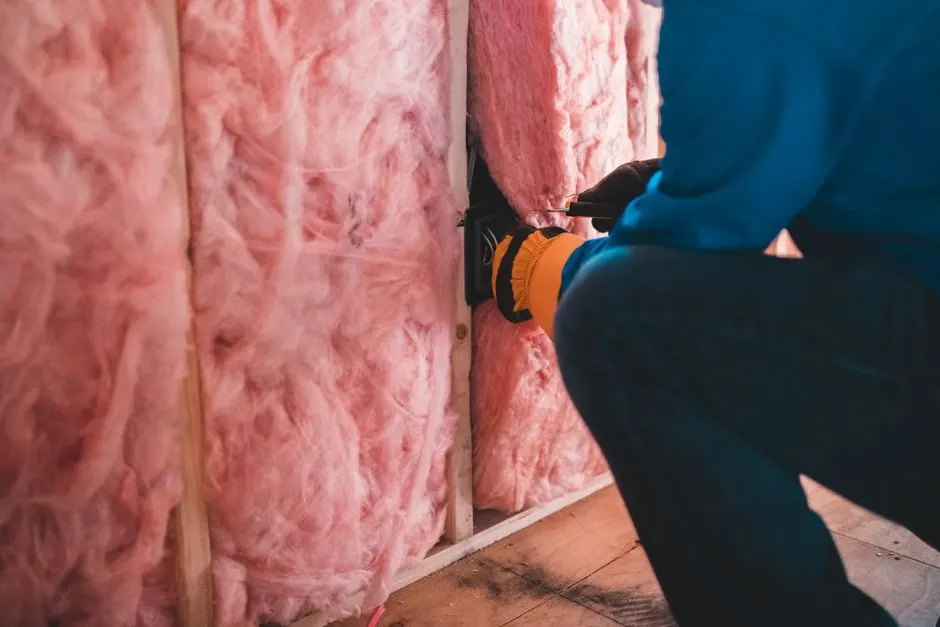





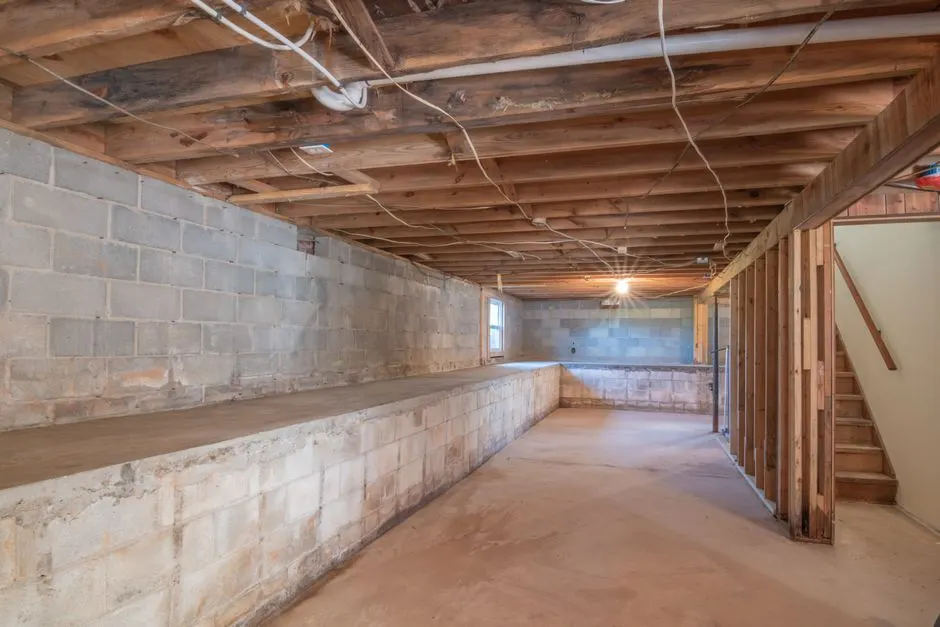
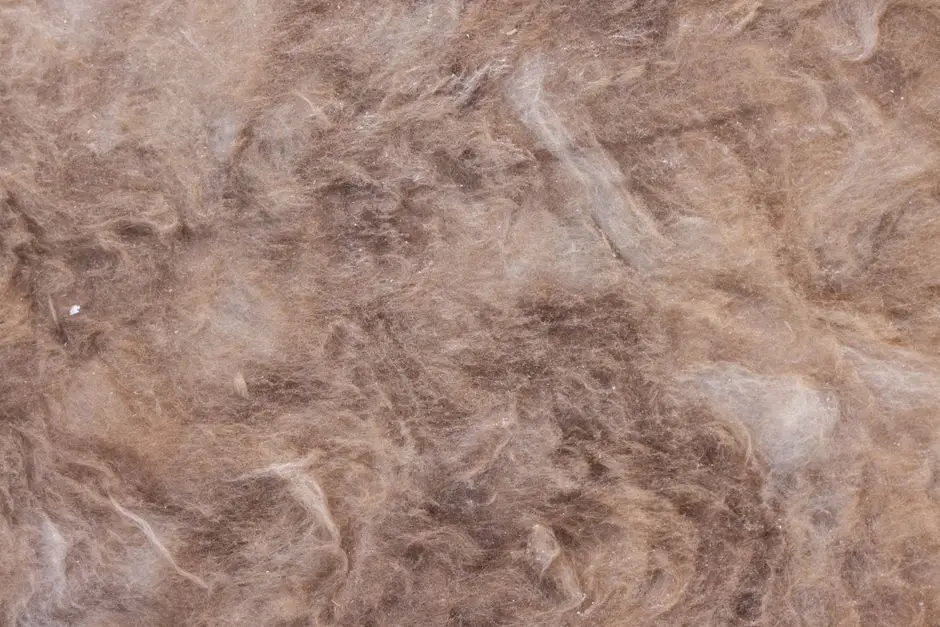
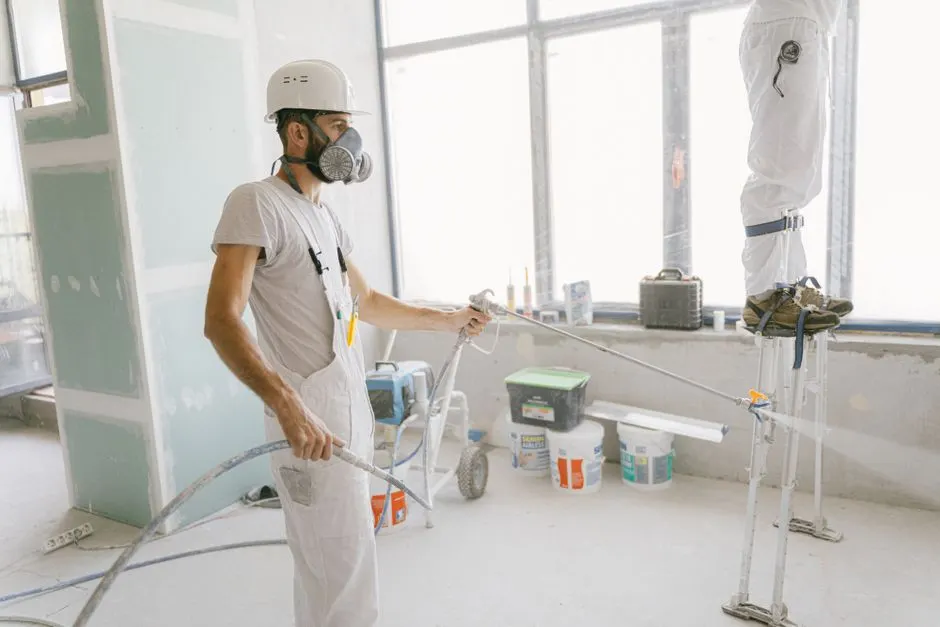

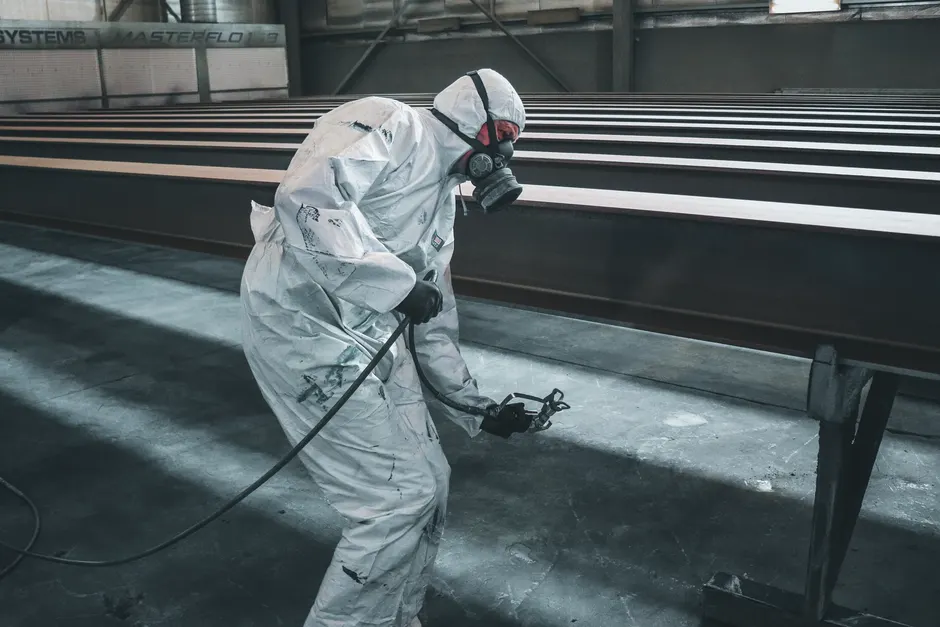
Bare's position on Morecambe Bay and its older housing stock create a specific set of spray foam problems. These are the issues we see most often, and they are why a local contractor who understands the area matters more than a national firm passing through.
Bare sits right on the bay, so the air is humid and roofs take the brunt of coastal weather. Spray foam seals the roof void, so moisture that would normally escape through ventilation gets trapped and soaks into the rafters.
Lenders have tightened up on spray foam because it can hide structural problems and is hard to inspect. In Bare, where a lot of foam was installed in the 2010s, this is now hitting sales and remortgages.
Closed cell foam was often sprayed directly onto roof felt or decking, where it sets like concrete. On Bare's older slate roofs, removing it without damaging the fragile underlay is the tricky part.
Some Bare properties had foam injected into cavity walls that were never designed for it. The foam bridges the cavity and lets damp travel from the outer wall to the inner leaf, showing up as patches on internal walls.
Spray foam does not always announce itself. In Bare, the first clue is often a mortgage survey, a damp patch or a musty smell in a back bedroom. If you are searching for Spray foam removal in Bare near me because something feels off in your loft, these are the signs worth checking.
Mortgage lender refuses to lend
This is the most common trigger in Bare. Lenders flag spray foam because it can hide rot and block roof ventilation. If your buyer's surveyor has raised it, you need a removal report from a contractor who knows what lenders want to see.
Damp or condensation in the loft
Coastal air off Morecambe Bay carries moisture, and spray foam stops the roof breathing. If you see beads of water on rafters or a damp patch on a ceiling below, the foam is likely trapping moisture against the timber.
Musty smell in upstairs rooms
A persistent damp, earthy smell in a bedroom or landing usually means moisture is sitting in the roof void. In Bare's older properties, that smell often traces back to foam that has been wet for years and is starting to degrade.
Soft or crumbling roof timbers
Press a screwdriver into a rafter and if it sinks in easily, the timber has started to rot. Spray foam hides this until it is advanced, which is why we always check timbers once the foam is off in Bare lofts.
Higher energy bills than expected
Spray foam that has failed or got wet stops insulating properly. If your heating bills have crept up and the loft feels cold or draughty, the foam may be doing more harm than good and should be assessed.
Bare is compact, but the street layout around the seafront and the railway can be confusing if you do not know it. We use local landmarks to plan routes and give accurate arrival times. If you are near Happy Mount Park or the station, we will find you without a sat-nav detour.
A useful marker for jobs on the eastern side of Bare. Parking near the station is limited, so we plan around the level crossing and the residential streets that feed into it.
A central reference point for Bare Village jobs. The hall sits among the older terraced streets, which helps us identify the right ginnel and loft access before we arrive.
The bay defines the western edge of Bare and tells us which properties face the worst coastal weather. If your postcode is on the bay side, we know to expect more damp-related foam problems.
A well-known park on the northern edge of Bare, useful for orienting jobs on the Hest Bank side. The roads around the park are mostly residential with on-street parking.
ZIP coverage on request — call to confirm.
Bare's coastal climate means spray foam problems behave differently through the year. Autumn and winter bring the worst of the damp, while spring and summer are when most people discover foam during a sale or a loft clear-out. Here is what to expect each season.
Spring is when damp patches from winter often become visible as the heating goes off and the roof void warms up. It is also a busy time for house sales, so mortgage-driven removal jobs pick up.
Tip: If you are selling, book a survey early in spring so any foam issue is resolved before your buyer's lender gets involved.
Warmer, drier weather makes removal easier and faster, especially for closed cell foam. Lofts are more comfortable to work in, and drying times for any damp timbers are shorter.
Tip: Summer is the best time to get a full roof strip done. Book ahead, as we get busy with pre-autumn sale completions.
Autumn rain and cooler air push moisture back into roof voids. If foam has been trapping damp all summer, this is when you will start to smell it or see stains on ceilings.
Tip: Check your loft before the worst of the weather. If the foam feels damp to touch, get it assessed before winter sets in.
Winter is when the worst damage shows up: leaks, sagging foam and musty smells in upstairs rooms. Coastal storms off Morecambe Bay can drive rain into roof spaces that were already compromised.
Tip: If you spot a leak or a sudden damp patch, call our 24/7 line. We can isolate the problem overnight and remove the affected foam when conditions allow.
Bare is one of several Lancaster areas we cover, and we regularly work across the district. If you are just outside Bare, we can still help, and we often combine jobs in nearby areas to keep travel costs down for everyone.
(City)
About 10 minutes inland from Bare. We cover city centre flats and commercial units as well as residential lofts.
View Lancaster City Centre(City)
A short drive south of Bare. Bulk has a mix of terraced housing where spray foam removal is a common request.
View Bulk(City)
Just inland from Bare, with older housing stock similar to Bare Village. We often run Marsh and Bare jobs on the same day.
View Marsh(City)
A residential area south of the city centre. We cover Greaves for loft and cavity wall foam removal.
View Greaves(City)
South of Lancaster, with larger detached properties where roof voids are bigger and removal takes longer.
View Scotforth(City)
A busy residential district close to Lancaster centre. We handle spray foam removal in Freehold terraces and rentals.
View FreeholdReal answers from our team for the questions we hear most often before a job starts.
If a lender has flagged spray foam in your Bare property, or you have spotted damp in the loft, we can help. We have worked across Bare since 2022, we are insured and certified, and we give you a fixed price after the survey. Call 03335672543 or fill in the form and we will get back to you the same day.
Call 03335672543 or email [email protected] and we will book a survey, usually within 24 hours. We work Monday to Friday, 8am to 6pm, with a 24/7 emergency line for water ingress and storm damage. You speak to the person who will be on your roof.
Phone
03335672543Address
78 Church St, Lancaster LA1 1ET, UK, Lancaster, Lancashire
Hours
Mon–Fri: 7AM – 7PM
Sat: 8AM – 4PM
Sun: Emergency Only
24/7 Emergency Available