Abraham Heights Park
The park sits at the top of the rise and is the easiest reference point for the surrounding residential streets. If you are on the park side of Westbourne Road or Ellen Road, we know exactly which access point to use.

Abraham Heights sits on rising ground just south of Lancaster city centre, and that elevation is exactly why so many roofs up here have been foamed. Exposed gable ends take the prevailing westerly wind and driving rain, homeowners get cold, and someone sells them a spray foam job. Ten or fifteen years later the same homeowners are ringing us because a surveyor has spotted polyurethane foam across the rafters and the mortgage has stalled. We have been stripping insulation out of Abraham Heights properties since 2022, working on Victorian terraces off Bowerham Road, 1930s semis along Ashfield Avenue, and a handful of larger detached houses near Greaves Park. Our crews know which lofts here have breathable felt and which have old bitumen, and that changes how we cut. We use spray foam cutting tools, an industrial vacuum and a moisture meter on every job, because foam that looks dry on the surface is often trapping water against the timber underneath. If you need spray foam insulation removal in Abraham Heights Lancashire, we will tell you honestly whether it is a two-hour loft job or a full roof strip.
Every job in Abraham Heights starts with a survey, because foam on a Bowerham Road terrace is a different problem to foam on a detached house near Greaves Park. We cover lofts, roofs, cavity walls and commercial units, and we can usually get to you the same day if the foam is holding up a sale. If you have been searching for spray foam removal in Abraham Heights near me, this is the full list of what we actually do here.

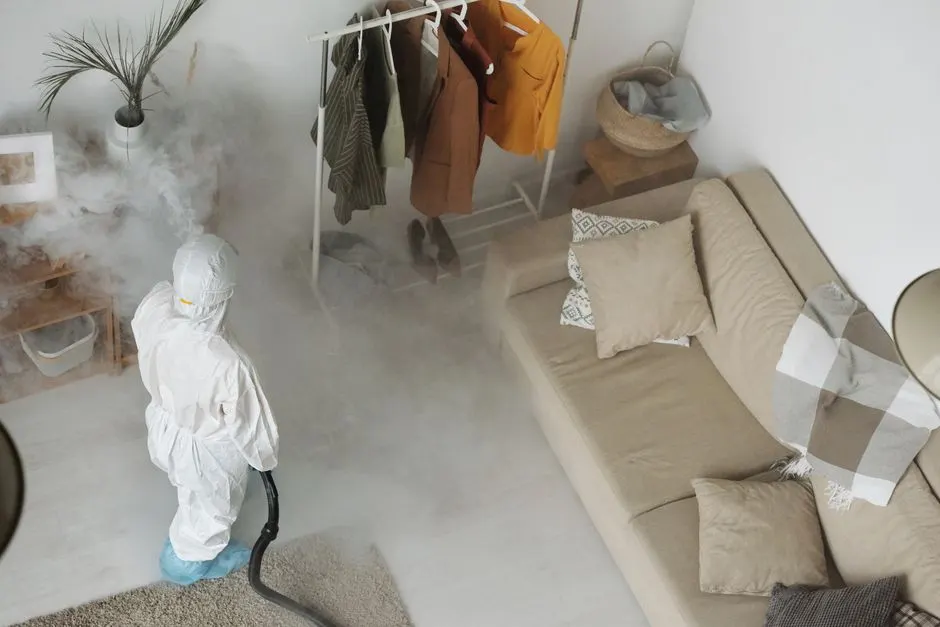




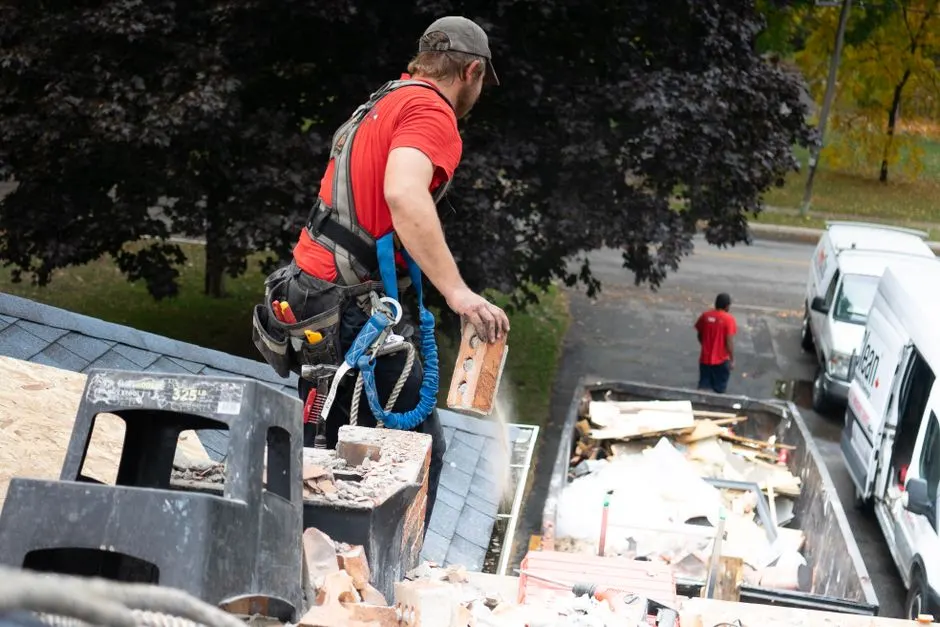
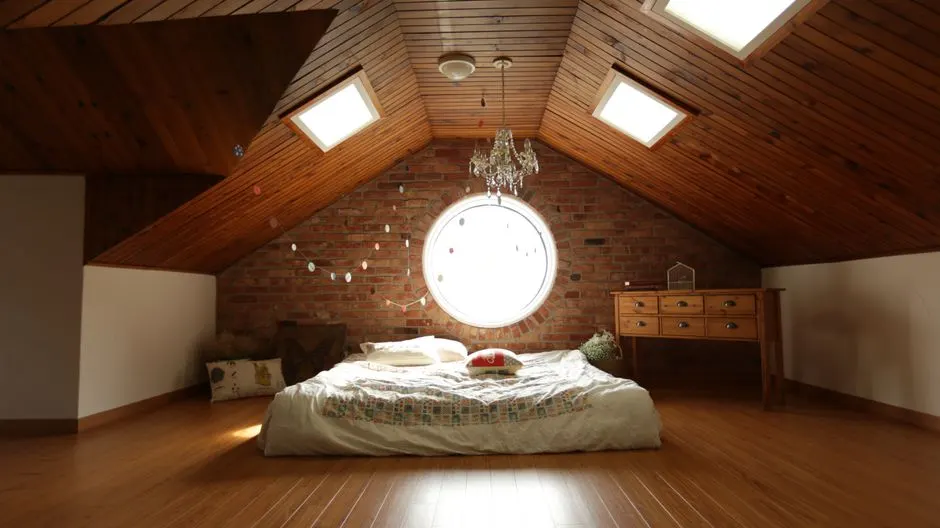
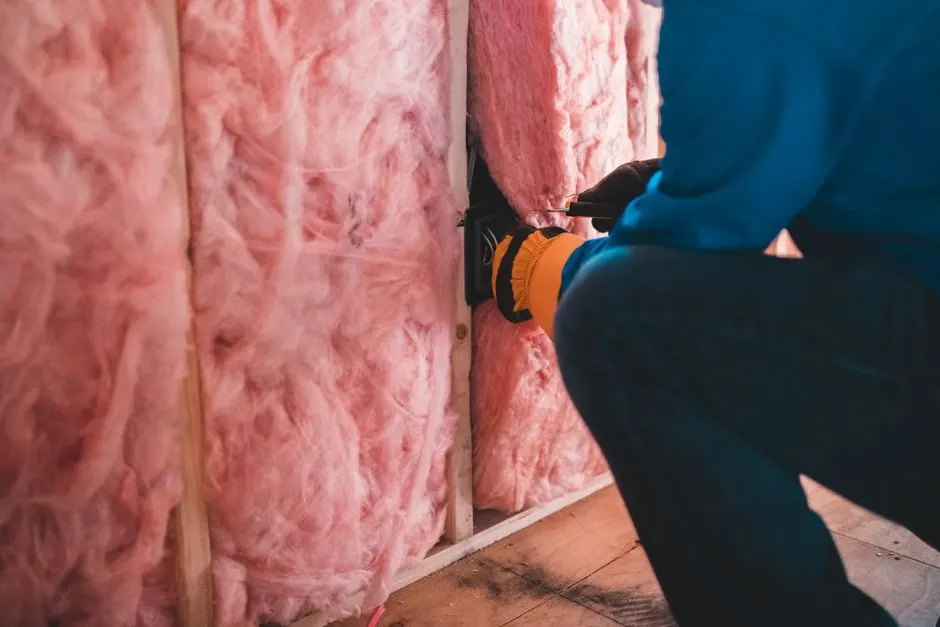
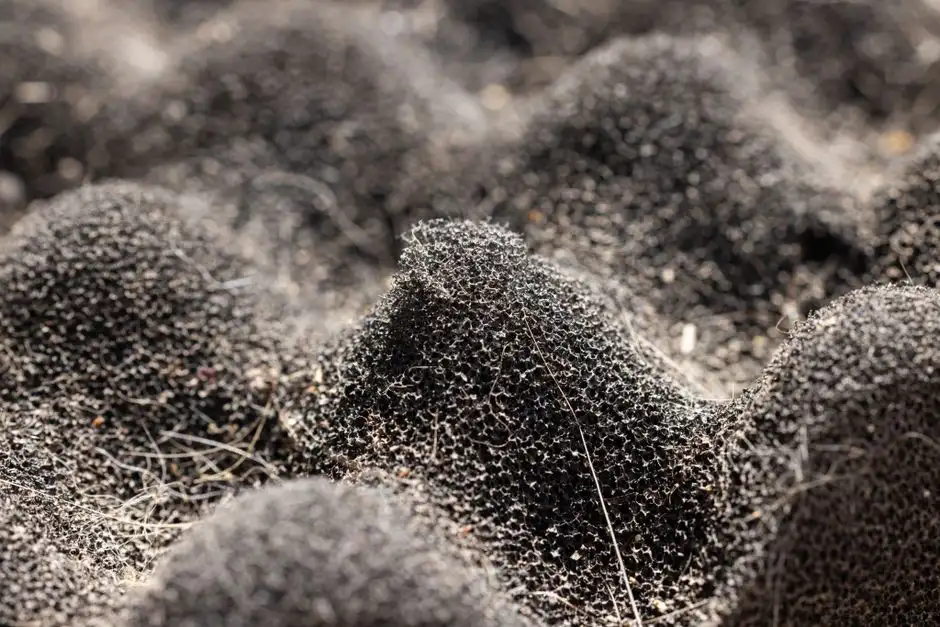




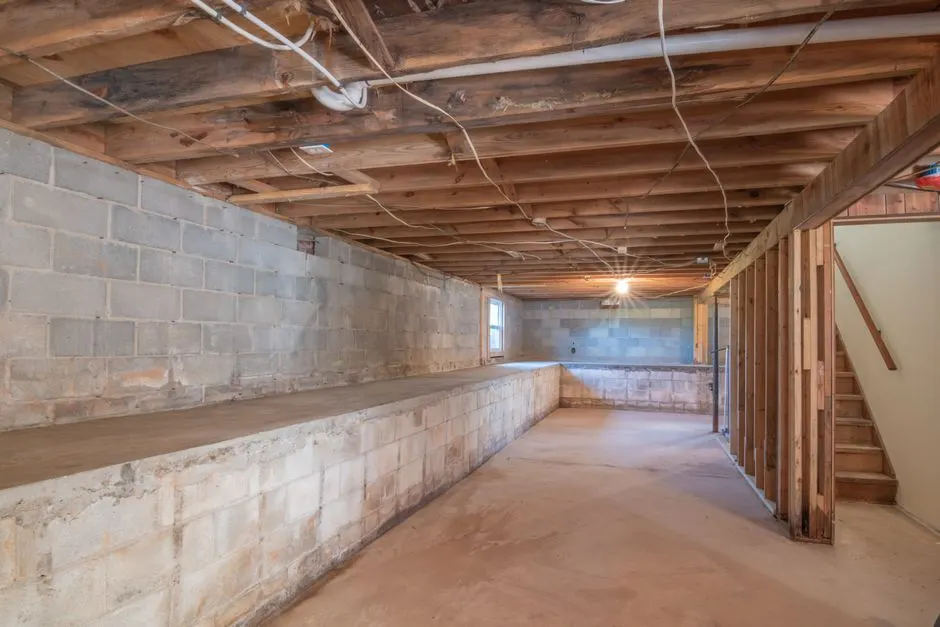
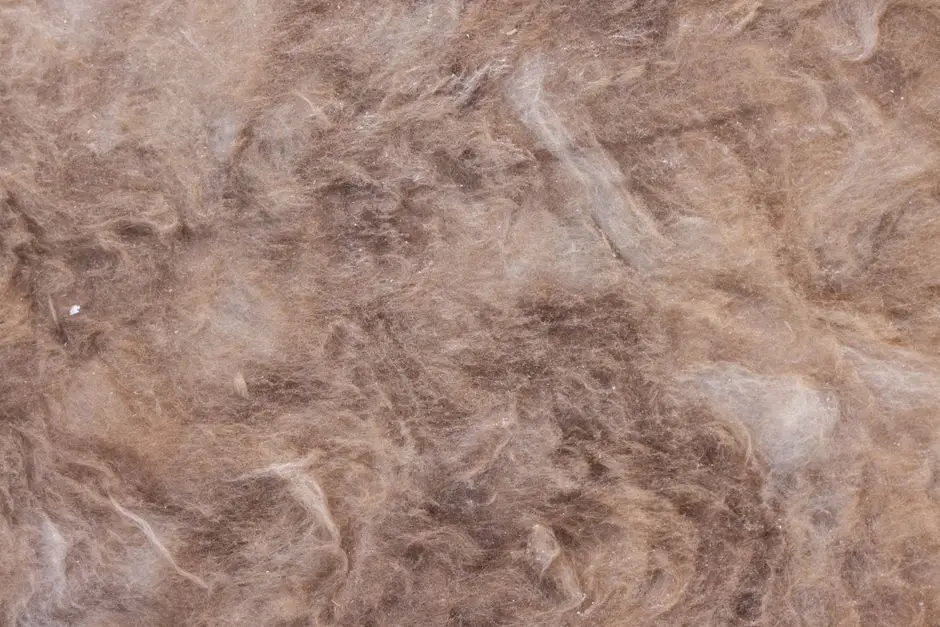
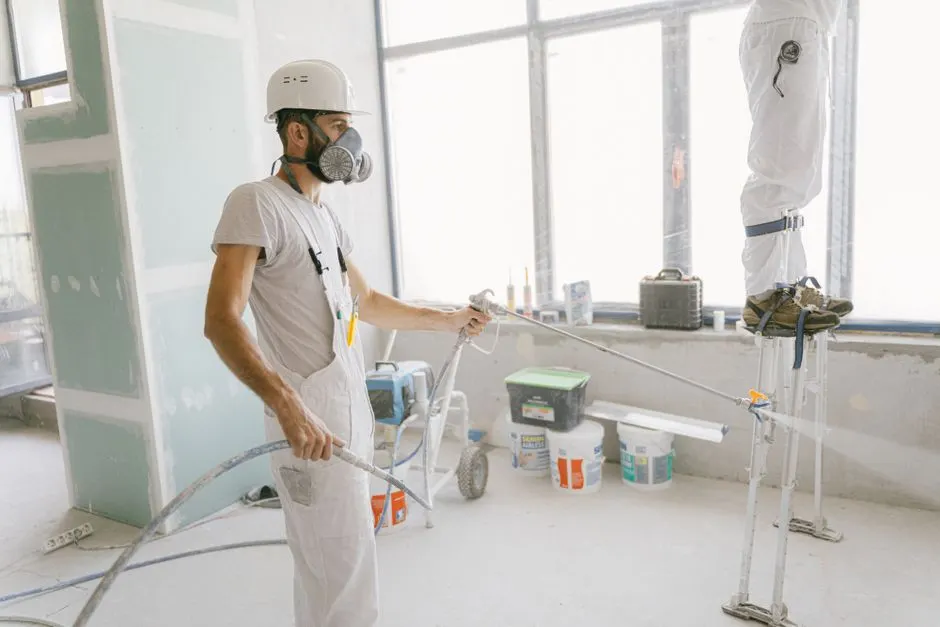

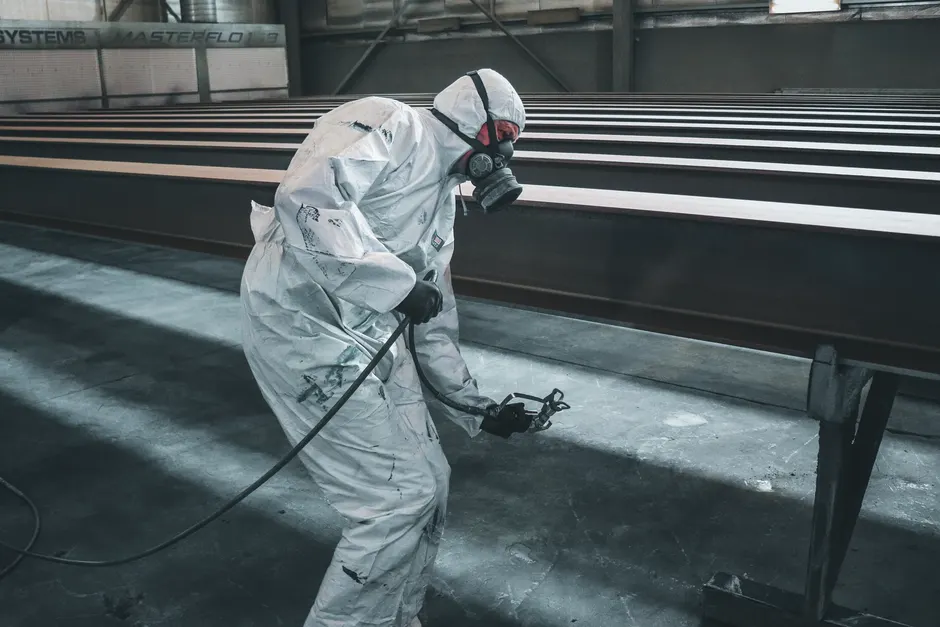
Abraham Heights has a particular set of conditions that make spray foam problems worse than in other parts of Lancaster. The elevation exposes roofs to driving rain, the housing stock is older, and a lot of foam was installed in the 2000s without proper ventilation checks. These are the four problems we deal with most often here.
Lenders and surveyors treat spray foam as a risk because it can hide structural defects and trap moisture. In Abraham Heights, where many properties were foamed between 2005 and 2015, a high proportion of lofts now carry foam that was never properly documented.
Foam sprayed directly onto a cold roof deck seals the ventilation gap, so moisture from the house cannot escape. On the exposed roofs around Abraham Heights Park, driving rain adds to the problem and the timber stays wet for months.
When foam traps water against timber for years, the wood starts to decay. It is often invisible from inside the loft because the foam hides it. We find it most on the older terraces off Bowerham Road and Westbourne Road where the roof timbers are thinner.
Wet foam loses much of its insulating value, so the loft stops performing. Homeowners in Abraham Heights often notice cold rooms and higher heating bills without realising the foam is the cause. The problem is worst on the windward side of the roof.
Most people in Abraham Heights do not ring us because they want the foam gone. They ring because a lender has flagged it, or because something in the house is not right and they cannot work out why. Here are the triggers we see most often. If any of these sound familiar, it is worth a free survey before the problem gets worse.
Mortgage lender or surveyor flags the foam
This is the number one reason people call us. A surveyor spots polyurethane foam across the rafters and the lender refuses to proceed until it is removed and evidenced. It is urgent because the sale stalls, but it is usually a straightforward job once we survey it.
Musty smell in upstairs rooms
Foam sprayed onto a cold roof deck blocks ventilation, and moisture has nowhere to go. It condenses on the timber, soaks into the foam, and eventually you smell it in the bedrooms. Left alone, the rafters start to rot. We see this constantly on the exposed roofs around Abraham Heights Park.
Damp patches on ceiling or rafters
Visible damp staining on the underside of the roof deck usually means water is trapped between the foam and the timber. The foam looks dry on the surface but the moisture meter tells a different story. The longer it sits, the more structural damage it does.
Cold rooms despite having insulation
Foam that has been wet for years loses much of its insulating value, so the loft stops doing its job. Homeowners in Abraham Heights often assume the heating is the problem when the real issue is saturated foam. Removing it and fitting proper breathable insulation fixes the draught.
Foam visible around eaves or roof edges
If you can see foam from outside, around the eaves or pushing at the roof edge, it was likely sprayed too far and is blocking the ventilation gap. That is a red flag for both damp and mortgage purposes, and it needs cutting back properly rather than patching.
Abraham Heights is a compact area, but the streets wind and the elevation makes some roads one-way in practice. We use the local landmarks as orientation when we are routing crews, and they are useful when you are giving us directions over the phone. If you are near Abraham Heights Park or Greaves Park, tell us which side and we will find you.
The park sits at the top of the rise and is the easiest reference point for the surrounding residential streets. If you are on the park side of Westbourne Road or Ellen Road, we know exactly which access point to use.
A well-known school on the Ashton Road side of the area. It is a useful marker for crews coming up from the city centre, and it tells us which end of the surrounding streets you are on when you call.
The park and its surrounding roads sit just north of Abraham Heights and are a common reference point for properties on the Greaves side. It helps us pick the right route in when the main roads are busy.
Located towards the city centre end of the area, it is a clear landmark for anyone giving directions from the south. We use it to confirm which side of the Abraham Heights rise a property sits on.
ZIP coverage on request — call to confirm.
Abraham Heights sits high enough to catch the worst of the weather, and the seasons genuinely change what we find in lofts here. Autumn and winter are when damp problems show themselves. Spring and summer are when people sell houses and lenders start asking questions. Here is what to expect through the year.
Spring is when the housing market picks up and surveyors start flagging foam in Abraham Heights lofts. We get a spike in mortgage-driven removal jobs between March and May. Damp from the winter is still present in the timbers, so moisture readings are often high.
Tip: If you are thinking of selling, get a free survey before you list. Finding the foam now is far cheaper than losing a buyer in June.
Drier conditions make summer the easiest time to remove foam and dry out timbers. Lofts are warm, ventilation is good, and any damp we uncover dries quickly. It is also the busiest period for commercial work on warehouse roofs.
Tip: Book your removal in summer if you can. The timbers dry faster, and you are not competing with the autumn rush of mortgage deadlines.
As the driving rain returns, foam on exposed Abraham Heights roof decks starts soaking up water again. Musty smells and damp patches appear in upstairs rooms. This is when the emergency calls start, especially after a storm.
Tip: Check your loft in October before the worst of the weather. If the foam feels damp or the rafters are discoloured, get it surveyed now rather than in January.
Winter is when saturated foam causes the most damage. Water trapped against timber freezes and expands, and rot accelerates. Storm damage around Abraham Heights Park can leave foam holding a loose roof sheet, which is a genuine emergency.
Tip: If you get water coming in through a foamed roof, ring us straight away. We answer 24 hours and can sheet the roof and remove the affected foam before the damage spreads.
Abraham Heights sits within a tight cluster of Lancaster districts, and we cover all of them from the same base. If you are just outside the area, chances are we already work on your street. Here is how the surrounding neighbourhoods relate to us.
(City)
A short drive downhill from Abraham Heights, and a common source of commercial and residential foam removal enquiries from the city centre fringe.
View Lancaster City Centre(City)
Just north of the city centre, around ten minutes from Abraham Heights. We cover the older terraces here with the same crews and kit.
View Bulk(City)
West of the centre and a similar distance from Abraham Heights. Foam removal in Marsh is usually loft-based, much like our Abraham Heights work.
View Marsh(City)
Directly adjacent to Abraham Heights on the northern side, so we are often working in both areas on the same day.
View Greaves(City)
South of Abraham Heights along the A6, a five to ten minute drive. We cover Scotforth with the same same-day availability.
View Scotforth(City)
East of the city centre and within easy reach of Abraham Heights. Freehold terraces often have the same spray foam legacy as the properties here.
View FreeholdReal answers from our team for the questions we hear most often before a job starts.
If a lender has flagged the foam in your loft, or you have damp you cannot trace, do not wait for it to get worse. We survey for free, quote a fixed price, and can usually be in Abraham Heights the same day. Four years working these streets, fully insured, and every job ends with the paperwork your surveyor wants to see. Ring us on 03335672543 or fill in the form and we will call you back within the hour.
Call 03335672543 or email [email protected] and we will book a survey, usually within 24 hours. We work Monday to Friday, 8am to 6pm, with a 24/7 emergency line for water ingress and storm damage. You speak to the person who will be on your roof.
Phone
03335672543Address
78 Church St, Lancaster LA1 1ET, UK, Lancaster, Lancashire
Hours
Mon–Fri: 7AM – 7PM
Sat: 8AM – 4PM
Sun: Emergency Only
24/7 Emergency Available